Body Sculpting and Skin Tightening: A Guide to Regenerative Medicine Claims
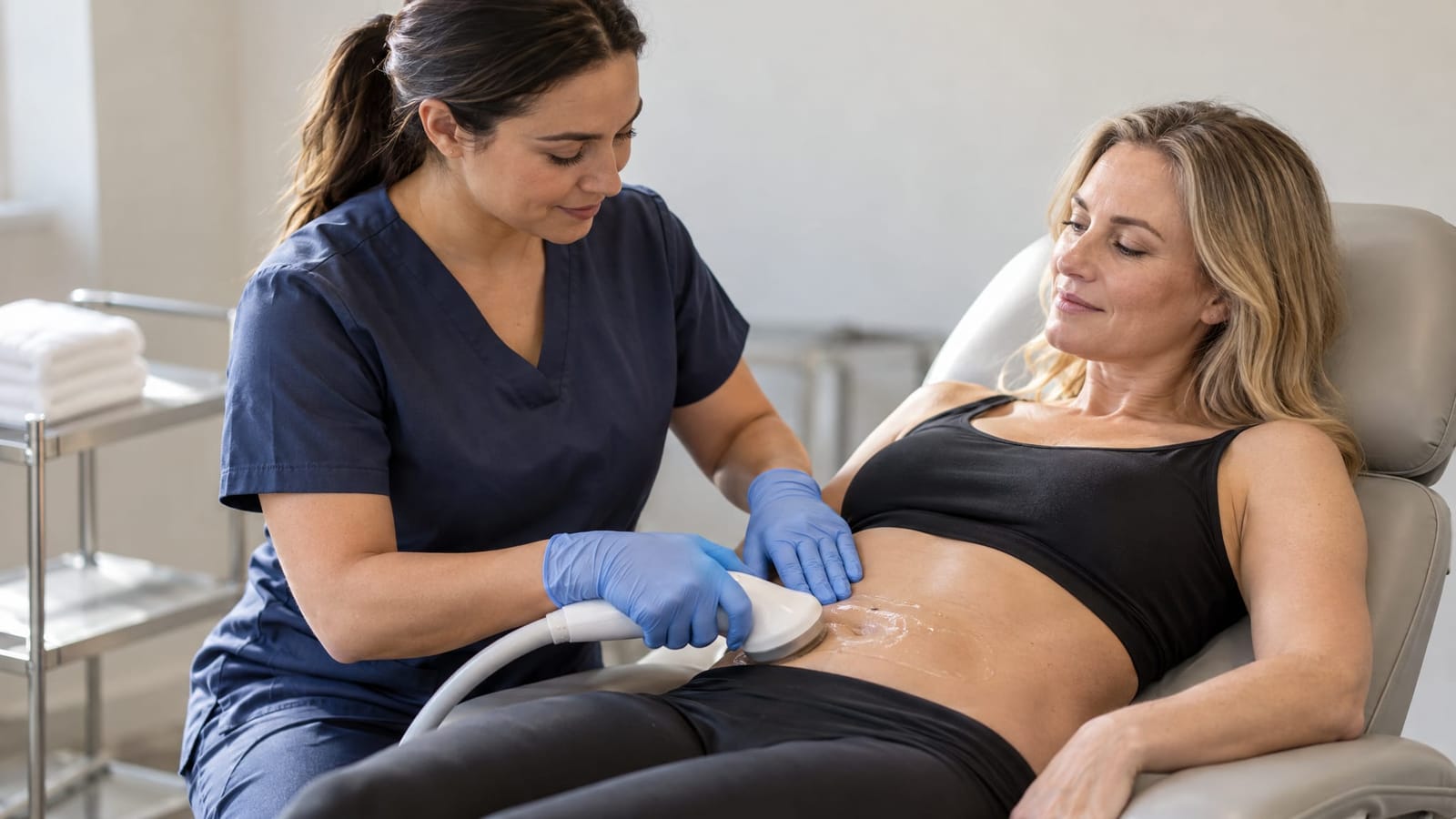
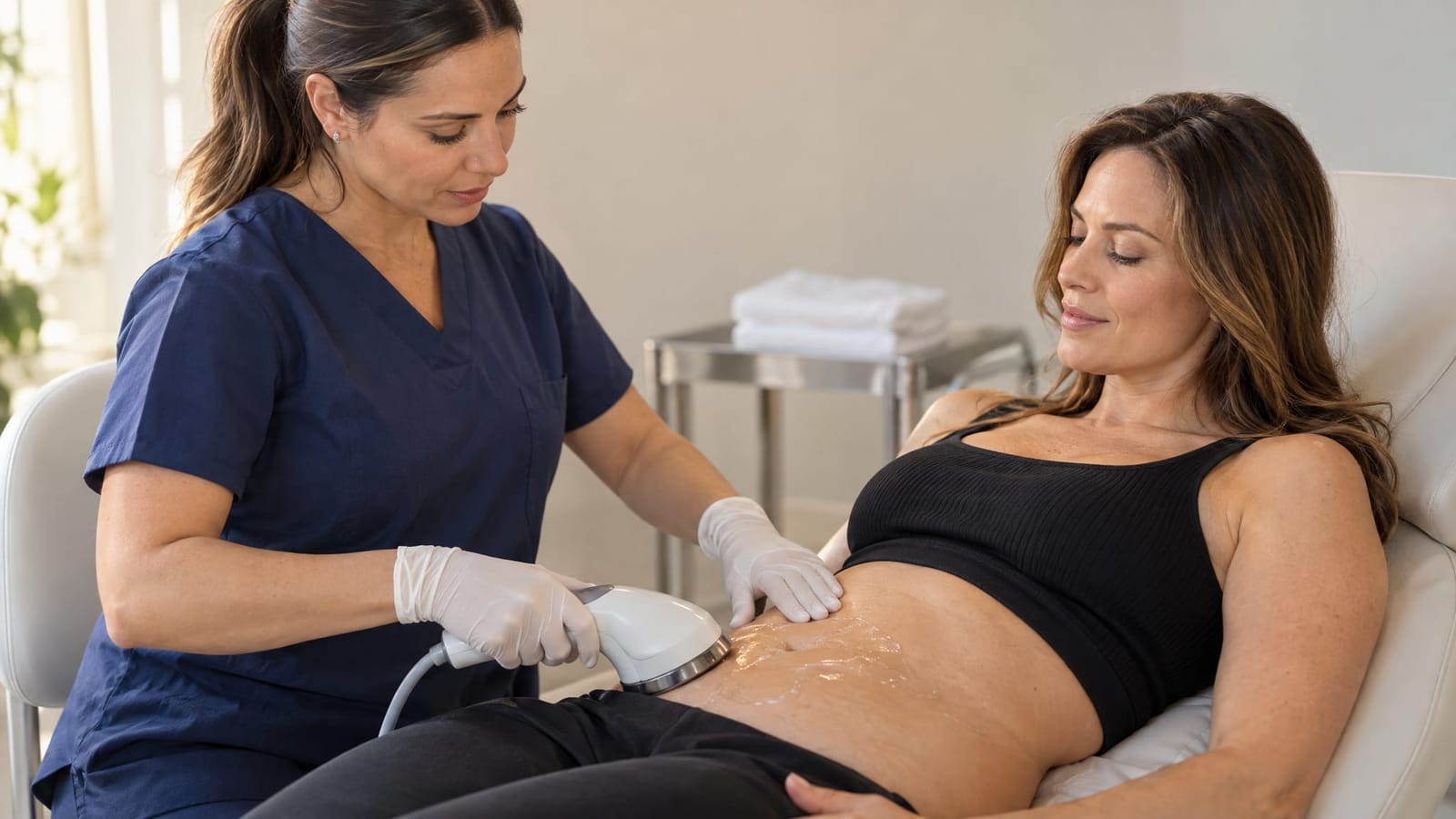
Body sculpting concerns body contour, while skin tightening concerns skin looseness. Neither term explains how a procedure works, what risks it carries, or how well it achieves its intended result. When stem cells, peptides, or exosomes are included in a proposal, each component needs its own explanation and evidence relevant to the goal.
The key distinction is between biological activity and a demonstrated outcome. An explanation of cellular signaling can describe how something might work. Evidence of a visible change, improved function, or a longer-lasting result requires measurements in people. Keeping those questions separate makes it easier to evaluate claims without confusing appearance goals with broader health benefits.
Separate Body Contour, Skin Laxity, and Wellness Goals
A change in clothing fit, loose skin, muscle definition, and an interest in longevity represent different concerns. Defining the main concern before comparing procedures helps keep the discussion focused.
- Body contour: The shape or outline of a particular area.
- Skin laxity: Looseness of the skin, which is different from the amount of underlying fat.
- Body composition: The relative amounts of fat, muscle, and other components of the body.
- Cellular health and longevity: Broader subjects involving biological function and long-term health, rather than a single visible change.
The FDA explains that non-invasive body contouring is not intended to address obesity or provide the health benefits associated with weight loss. This matters when an appearance-focused procedure is presented alongside wellness claims. See the FDA’s explanation of non-invasive body contouring technologies.
For example, a change in abdominal contour and maintaining strength with age are separate goals. A plan discussing both needs a distinct explanation for each: what would change, how it would be measured, and which part of the plan is intended to contribute.
Stem Cells, Peptides, and Exosomes Are Different Biological Entities
These terms often appear together in regenerative medicine discussions. They refer to different biological entities, not interchangeable versions of one approach.
Stem Cells Are Living Cells
Stem cells can self-renew and, depending on their type and environment, develop into specialized cell types. These properties explain their role in cell science. Evaluating a medical application also involves the particular cell type, preparation, handling, and intended use.
A description of a cell’s natural capabilities answers a biological question. Clinical evidence answers a different question: what happens when a defined product is used in people for a particular purpose. For a body contour or skin laxity claim, the relevant evidence concerns that outcome, not simply the presence of cells.
Peptides Are Short Chains of Amino Acids
Peptides are molecules made from amino acids, the building blocks of proteins. Different peptides have different structures and biological roles. The term describes a broad category rather than one intervention with a shared purpose or predictable effects.
Evidence about one peptide applies to the product and use evaluated, not automatically to other peptides. A useful discussion identifies the exact product, its intended role, supporting human evidence, potential risks, and how outcomes would be assessed.
Exosomes Are Cell-Released Vesicles, Not Cells
Exosomes are a type of extracellular vesicle: small membrane-bound particles released by cells. They can carry biological material involved in communication between cells. Unlike stem cells, they are not living cells and do not become specialized cells themselves.
A description of cellular messaging explains a mechanism. Assessing a proposed medical use also requires attention to the source material, contents, preparation, and evidence for the intended outcome. These details matter more than a general statement that a product supports communication between cells.
Look for Evidence That Matches the Claim
Claims about enhanced or longer-lasting results require evidence that measures those results. A change in a laboratory marker is different from a visible change, improved day-to-day function, or a result that persists over time.
The most useful evidence addresses several questions:
- Was the same product evaluated? Findings about a different preparation may not apply.
- Were the participants relevant to the proposed use? Findings in one clinical population may not apply to people pursuing a different goal.
- Was the intended outcome measured? Cellular markers, body contour, physical function, and patient-reported well-being are separate outcomes.
- Was there a meaningful comparison? A comparison group helps distinguish the intervention’s contribution from other influences.
- How long did follow-up continue? A claim about durability needs observations over a relevant period.
- Were adverse events assessed? Benefits and risks belong in the same evaluation.
A Combined Plan Needs Evidence for the Combination
If a plan combines a procedure with a peptide product, an informative comparison would evaluate the procedure alone against the same procedure with the added product. That comparison helps clarify whether the additional component contributes to the outcome.
The phrase “works together” needs similar precision. It can describe a proposed biological interaction, a scheduling arrangement, or a measured advantage from combining interventions. Only the last meaning directly addresses whether the combination adds clinical value.
Mechanism, clinical effect, and durability remain separate questions. An explanation of why an approach might work is not a measurement of how noticeable a result will be or how long it will last.
Product Testing and Clinical Effectiveness Answer Different Questions
Product testing provides information about the characteristics examined by a particular test. Clinical evidence addresses what happens when the product is used in people for a defined purpose.
At Chara Health USA, our peptides undergo third-party testing. This is a product-quality consideration, not a promise of a particular health or appearance outcome.
Useful testing details include the product identity, the batch covered, the date, and the characteristics measured. A statement that a product was “tested” becomes more informative when the scope of testing is clear.
Quality controls, clinical evidence, and regulatory status each answer a different question. Keeping them separate prevents a statement about manufacturing or testing from being mistaken for evidence of effectiveness.
Regulatory Statements Need to Identify the Product and Use
Regenerative medicine is a broad field, not a regulatory designation for every product discussed within it. The relevant questions concern the specific product and its intended use.
The FDA cautions consumers about unapproved products marketed for regenerative medicine uses and describes serious potential safety concerns in its consumer alert on regenerative medicine products.
A clinician’s medical license, laboratory testing, and a published biological explanation are separate from the regulatory status of a product. Each can be discussed on its own terms rather than used as a substitute for the others.
A Device and an Added Biological Product Need Separate Explanations
When a plan includes multiple components, a regulatory statement about one component applies to that component. Information about a device cannot answer regulatory questions about a separate peptide or extracellular-vesicle product.
A clear written plan identifies each component, its purpose, the evidence supporting it, and its relevant regulatory status. This is especially useful with bundled services, where a single package name can obscure important differences between interventions.
“Natural” and “Non-Surgical” Are Not Safety Assessments
“Natural” is not a safety profile. “Non-surgical” describes an aspect of a procedure, not an absence of medical risk. Risks depend on the product, method of administration, preparation, and the person’s medical circumstances.
For unapproved regenerative medicine products, the FDA identifies concerns including infections and unwanted immune or inflammatory reactions in its patient information about regenerative medicine products.
A useful safety discussion covers more than expected discomfort. It explains:
- The risks relevant to each component of the plan.
- How medical conditions, medications, and previous reactions affect the assessment.
- What monitoring and follow-up involve.
- How an unexpected reaction would be evaluated.
- How adverse events are communicated and documented.
These questions help distinguish the risks of one approach from those of another rather than treating every product in a broad category as equivalent.
Prepare for an Evaluation Around Your Goal, Not a Product Name
At Chara Health USA in Chatsworth, we offer personalized consultations with Dr. Joy Kong focused on cellular health and longevity. This article provides general education; decisions about an individual’s suitability require evaluation by our medical team.
A concise appointment summary can make that discussion more useful:
- The main concern: What has changed and what matters most, described without relying on a procedure name.
- The desired outcome: A visible change, improved function, or a broader wellness objective, listed separately.
- Medical background: Relevant conditions, allergies, previous procedures, and prior reactions.
- Current products: Prescription medications, supplements, and other wellness products being used.
- Practical considerations: Scheduling limitations, travel, follow-up logistics, and expectations about monitoring.
Define What Would Count as a Meaningful Change
“Better results” is too broad to compare. A more useful goal identifies what would change and how that change would be assessed.
For example, a visible difference in one area is not the same outcome as a change in whole-body composition. A laboratory marker is not the same outcome as improved daily function. Defining the primary goal helps prevent a secondary measurement from being given more significance than it can support.
An interest in longevity can be discussed alongside a concern about skin laxity without assuming that one intervention addresses both.
Include Alternatives and the Option of No Intervention
A balanced discussion includes established approaches relevant to the concern, monitoring over time, and the option of no intervention. Emerging approaches are not replacements for conventional medical care simply because they involve newer scientific concepts.
The useful comparison is not “new versus traditional.” It is how the options differ in supporting evidence, expected outcomes, risks, time commitment, and relevance to the primary goal.
Compare the Full Plan, Including Follow-Up and Cost
An itemized description makes a bundled proposal easier to evaluate. It separates the purpose and practical implications of each component instead of treating complexity as a benefit in itself.
Useful questions include:
- What is each component intended to contribute?
- Which components are optional, and what supports including them?
- What assessments and follow-up visits are included?
- How will progress be evaluated?
- What would lead to reconsidering or stopping the plan?
- How are additional costs handled if the plan changes?
Price alone is not a measure of clinical value. Each added component brings cost, time, and medical considerations that need to be weighed against its intended contribution.
A proposed maintenance schedule also needs an explanation tied to the intervention and goal. Repeating an intervention and demonstrating that it prolongs a result are different matters.
Related Explanations of Appearance and Wellness Claims
These related articles examine distinct questions rather than treating every appearance or wellness goal as part of the same biological process:
- non-surgical body sculpting Woodland Hills: Distinguishing localized contour goals from broader health outcomes.
- non-surgical skin tightening Los Angeles: Understanding skin laxity and evaluating claims about collagen-related mechanisms.
- body sculpting peptide therapy combination: Examining the purpose of each component and the evidence for added benefit.
- Laser hair removal Los Angeles: A separate appearance-related topic, distinct from skin laxity, body composition, and cellular health.
A Clear Explanation Is More Useful Than a Broad Promise
A useful written plan makes it possible to explain why each component is included, which outcome it targets, and how that outcome will be assessed. For body sculpting and skin tightening claims involving stem cells, peptides, or exosomes, this level of detail supports a more informed comparison than promises about enhancement or lasting results.