Exosome Therapy Cost in Los Angeles: Is It Worth the Investment?

If you've been researching regenerative medicine, you've likely encountered a wide range of price points and wondered what actually drives those differences. Exosome therapy cost in Los Angeles varies considerably depending on several meaningful factors, and understanding what you're comparing is essential before making any decision. This guide breaks down the key cost variables, explains what separates low-cost options from premium clinical programs, and helps you evaluate the long-term value of investing in cellular health support.
What Does Exosome Therapy Cost in Los Angeles?
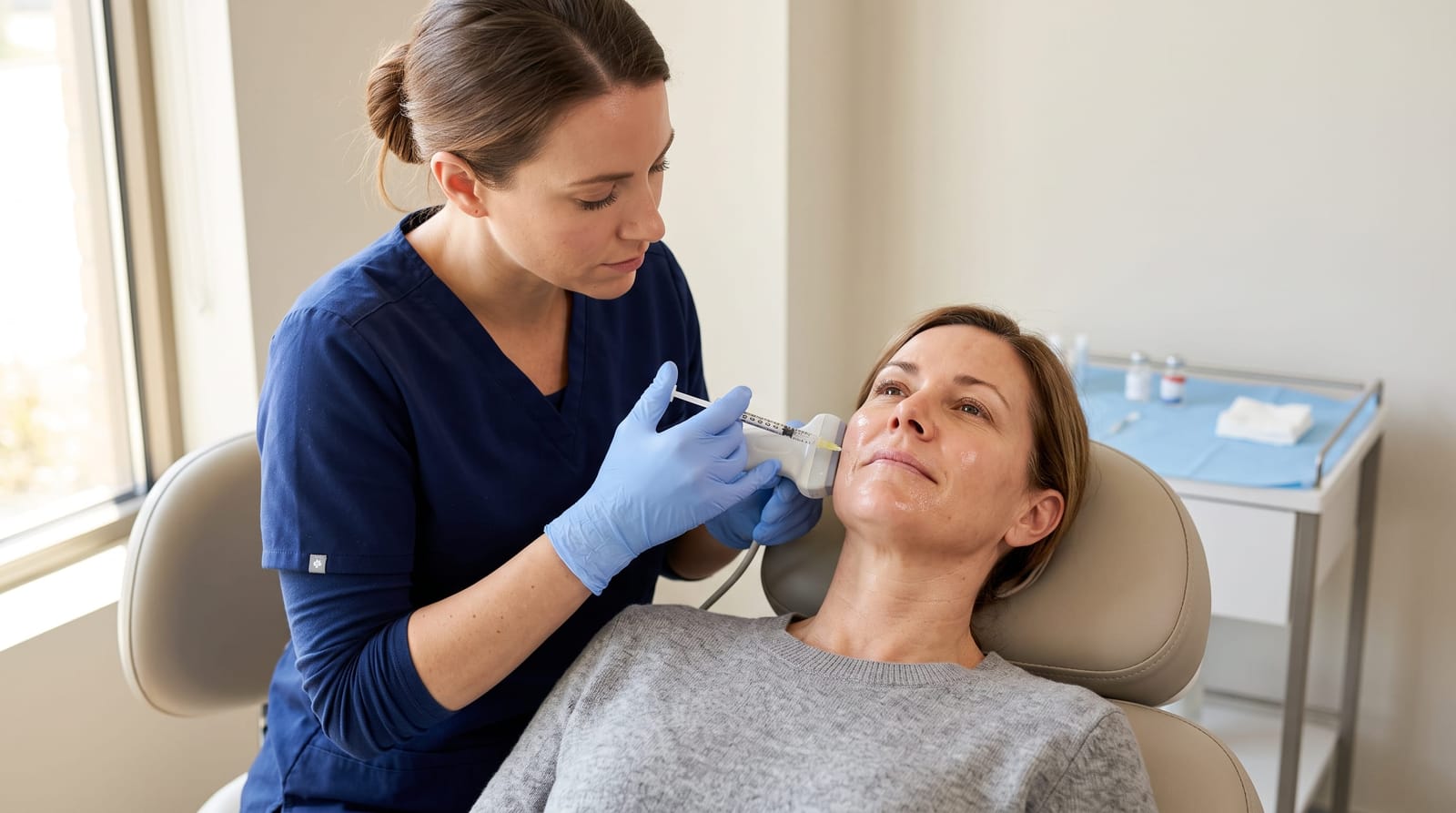
Exosome therapy cost in Los Angeles reflects a broad spectrum, ranging from a few hundred dollars for topical or localized applications to several thousand dollars for intravenous systemic treatments. As a general reference point, IV exosome therapy in the Los Angeles area is typically priced around $4,500 per session at established regenerative medicine clinics. Localized treatments, such as those used for skin rejuvenation or scalp applications: may fall in the $750 to $3,000 range depending on the provider and the extent of treatment.
These figures are general market observations and not fixed standards. Individual pricing will vary based on the clinic, the practitioner's credentials, the source and quality of the exosome product used, and the complexity of your treatment plan. It's also worth noting that exosome therapy is not currently covered by insurance in the United States, as it falls outside standard reimbursable care. Many clinics offer financing options, which can make the investment more accessible. Always consult directly with a qualified provider to understand what a personalized plan might look like for your situation.
Why Exosome Therapy Costs Differ Between Clinics
Not all exosome products are created equal, and the price gap between clinics often reflects very real differences in what you're actually receiving. Here are the primary factors that drive cost variation:
- Exosome source and manufacturing quality: Exosomes derived from rigorously screened, ethically sourced cellular material and processed under stringent laboratory conditions cost more to produce. Lower-cost products may use less standardized manufacturing processes, which can affect potency and consistency.
- Concentration and particle count: The number of exosome particles per dose matters. Higher-concentration formulations generally come with a higher price tag but may deliver a more robust biological signal to target tissues.
- Physician oversight and personalization: Clinics staffed by experienced regenerative medicine physicians who develop individualized treatment protocols, rather than one-size-fits-all packages, typically charge more. That oversight has real value in terms of safety, appropriate application, and outcome monitoring.
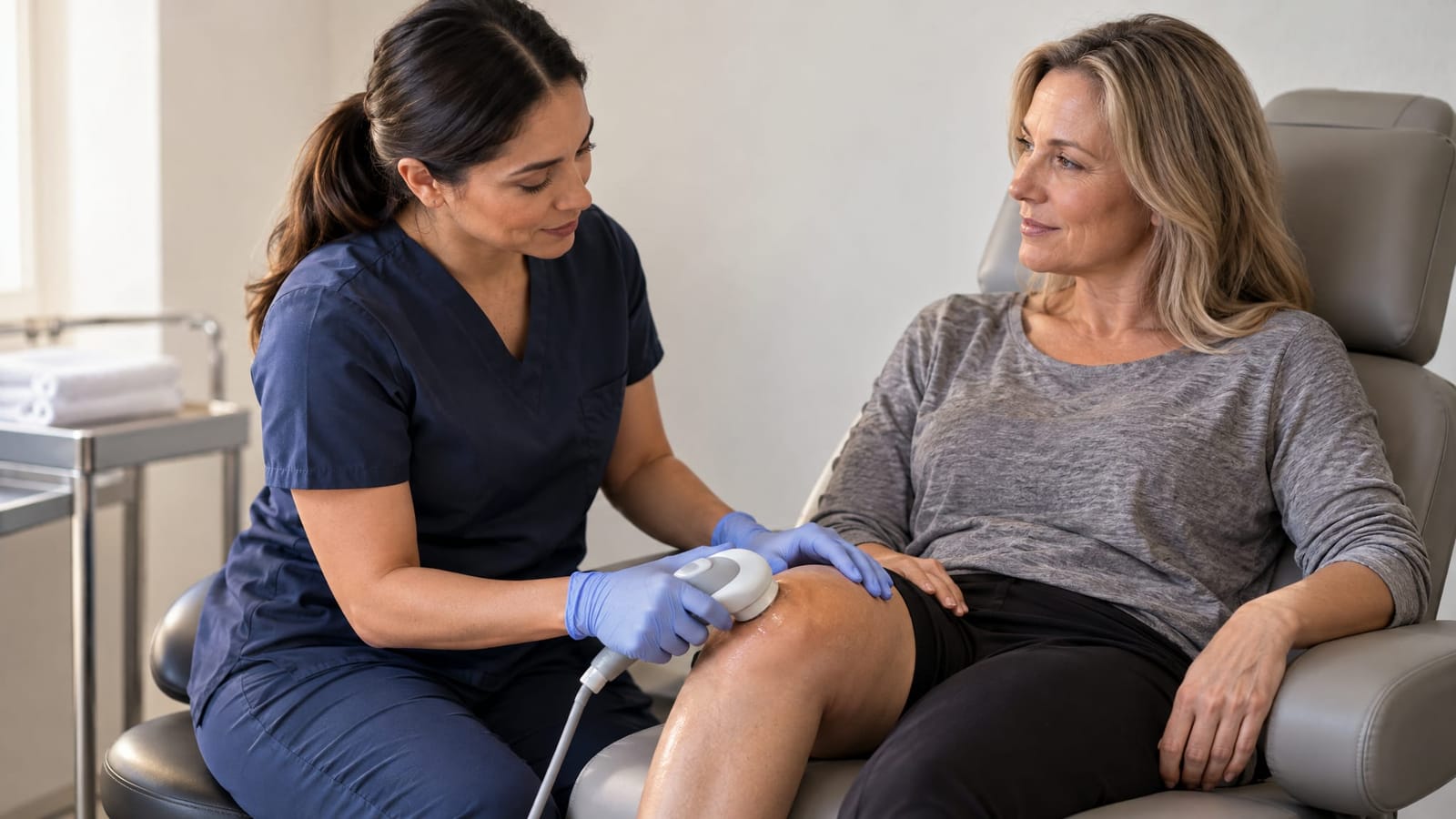
- Delivery method: Intravenous (IV) administration requires clinical infrastructure, trained nursing staff, and post-treatment monitoring. This systemic approach costs more than a topical treatment applied during a standard appointment.
- Clinical environment and support: Accredited medical clinics with comprehensive patient intake, follow-up care, and integrated wellness programs reflect those operational costs in their pricing.
- Geographic market: Los Angeles is a premium healthcare market. Clinic location, Beverly Hills versus other parts of the metro area, also influences pricing.
When comparing quotes from different providers, it's worth asking specific questions about the exosome product being used, its source, and how the clinic monitors treatment response. Price alone is not a reliable proxy for quality.
High-Quality vs. Budget Exosome Products: What You're Actually Comparing
One of the most important distinctions in the exosome therapy market is the quality of the biological product itself. This is an area where cutting corners can significantly affect what you experience, and not in a positive way.
Premium exosome products used in reputable clinical settings are typically:
- Derived from carefully selected, thoroughly screened cellular sources
- Manufactured in certified laboratory environments with quality control documentation
- Tested for sterility, potency, and particle concentration before clinical use
- Stored and handled under precise conditions that preserve biological activity
- Traceable from source to patient, with clear chain-of-custody documentation
Budget products may lack this level of rigor. Some exosome preparations on the market have been found to contain inconsistent particle counts, degraded biological material, or inadequate sterility standards. A lower price per session that relies on a substandard product is not a bargain: it's simply a different (and potentially less effective) service. At a practice like Chara Health, Dr. Joy Kong's background in research and regenerative medicine informs a rigorous approach to product selection that reflects the clinic's commitment to clinical integrity.
Evaluating Long-Term Value for Longevity-Focused Patients
For patients who are investing in cellular health as part of a broader longevity strategy, the cost-benefit calculation looks different than it does for a one-time aesthetic treatment. Systemic exosome therapy is not typically positioned as a single-session solution: most thoughtful clinical programs involve an initial assessment, a treatment protocol tailored to your biology and goals, and ongoing monitoring to evaluate how you're responding.
When thinking about long-term value, consider the following:
- Cumulative impact: Cellular health interventions are generally understood to work over time. A well-designed program may yield compounding benefits that a single discounted session cannot replicate.
- Physician relationship: Access to a knowledgeable regenerative medicine physician who tracks your progress and adjusts your plan accordingly is a meaningful component of the overall value.
- Integration with a broader wellness strategy: Exosome therapy at a comprehensive clinic like Chara Health is often part of a multi-dimensional approach to healthy aging, not an isolated procedure. That context matters for long-term outcomes.
- Opportunity cost of lower-quality treatment: Spending less at a clinic that uses inferior products or lacks physician oversight may mean achieving little, then spending again elsewhere. That outcome is more expensive in the long run.
For patients curious about how exosome applications differ by treatment area, exploring exosome therapy for skin rejuvenation and full-body applications provides useful context on how delivery method and target tissue affect both protocol design and pricing.
Questions to Ask Before Committing to Treatment
Before scheduling exosome therapy anywhere in Los Angeles, a well-informed patient asks the right questions. Use this list as a starting point during your consultation:
- What is the source of the exosomes used in your clinic, and how are they manufactured?
- What is the particle concentration per dose, and how is potency verified?
- Who oversees treatment: a licensed physician with regenerative medicine expertise?
- What does the intake process involve, and how is my individual situation assessed before treatment?
- Is there follow-up care included, and how do you monitor patient response?
- Are financing options available, and what does the full treatment program entail?
A reputable provider will welcome these questions and answer them with transparency. Hesitation or vague responses are worth taking seriously.
Frequently Asked Questions
Is exosome therapy covered by insurance in Los Angeles?
No. Exosome therapy is not covered by health insurance in the United States at this time, as it is considered an elective and investigational treatment outside standard reimbursable care. Many clinics offer financing plans to help patients manage the investment. Speak directly with your provider about available options.
Why does exosome therapy cost so much more at some clinics than others?
The primary drivers of price differences are exosome product quality, physician oversight, delivery method, and clinical infrastructure. IV systemic treatments cost more than topical applications. Clinics using rigorously sourced, high-concentration exosome preparations with physician-guided protocols charge more than those offering standardized packages with less oversight. These differences reflect meaningful distinctions in what you're receiving.
How many sessions of exosome therapy are typically needed?
This varies by individual, treatment goals, and the condition being addressed. Some patients pursue a single session as part of a broader wellness program, while others follow a multi-session protocol designed over several months. A qualified physician should assess your health history and goals before recommending a specific approach. There is no universal answer, and any provider claiming otherwise should be viewed with caution.
Is the higher cost of exosome therapy at a premium clinic worth it?
For patients focused on longevity, cellular health, and long-term wellness, the quality of the product, the expertise of the physician, and the depth of the clinical program are significant variables. Lower-cost options may involve trade-offs in product quality or physician involvement that affect what you ultimately experience. Whether the investment makes sense is a personal decision best made in consultation with a qualified regenerative medicine practitioner who can evaluate your individual situation.
Conclusion
Understanding exosome therapy cost in Los Angeles requires looking beyond the session price to the full picture: product quality, physician expertise, delivery method, and the depth of clinical support provided. For patients committed to investing in their long-term cellular health, the difference between a thoughtfully designed, physician-guided program and a discounted alternative is often substantial. This is a field where informed decision-making matters, and the best starting point is always a consultation with a qualified provider who can speak honestly to your individual health goals and circumstances.