How Many Sessions Does a Non-Invasive Facelift Take?
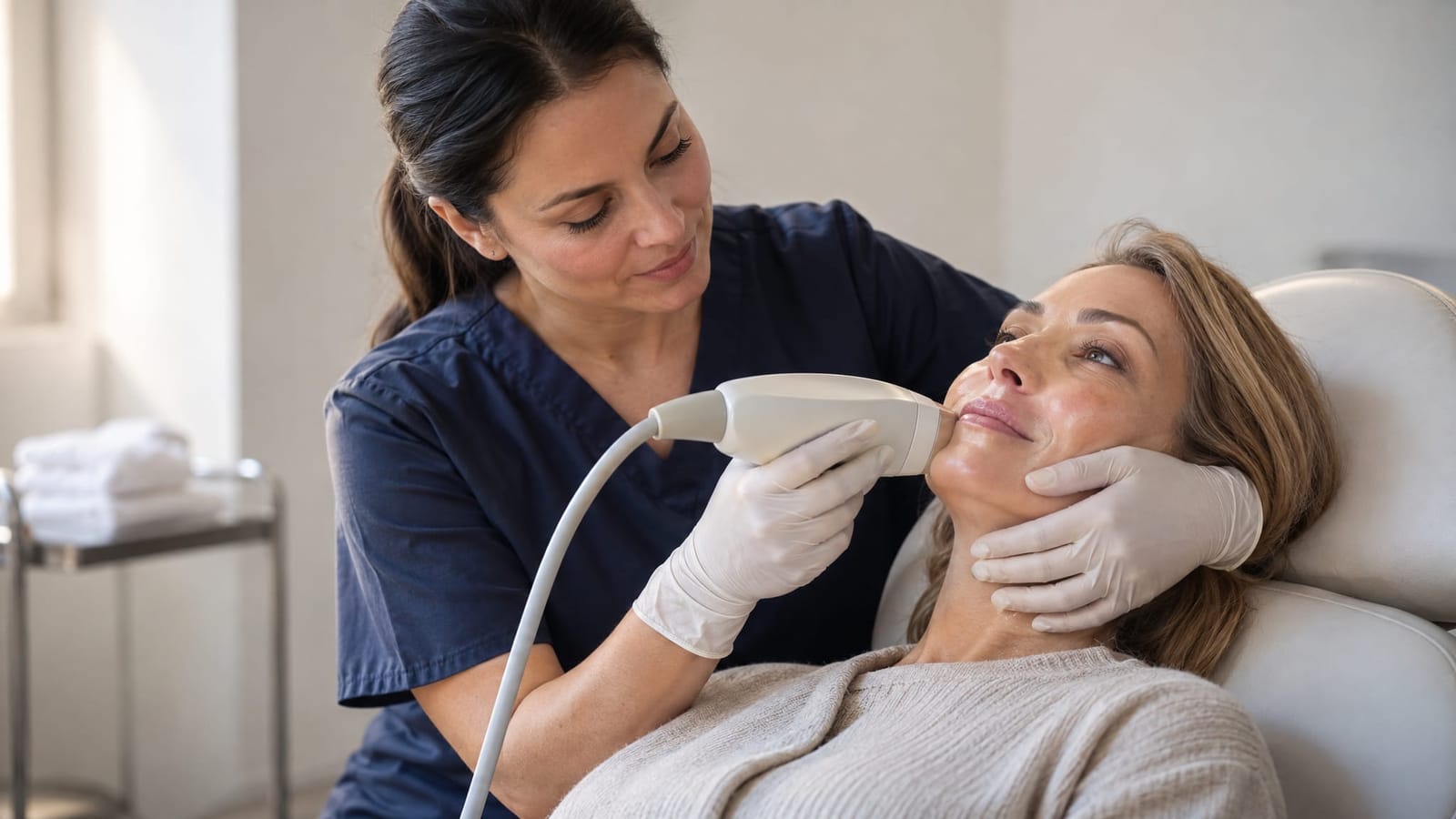
One of the most common questions patients ask before starting a non-invasive facelift in Los Angeles is simple: how many sessions will this actually take? It is a fair and practical question: one that shapes scheduling, budgeting, and realistic expectations. The honest answer is that it depends on the approach, your individual skin condition, and your goals. This guide walks through what a typical treatment series looks like, what factors influence the total number of sessions, and how advanced additions like exosomes or peptides may play a role in your overall plan.
Step 1: Understand the Baseline: What a Standard Treatment Series Looks Like
Most non-invasive facelift protocols are designed as a series, not a single appointment. The idea is that gradual, cumulative stimulation produces more natural-looking and longer-lasting results than one intensive session.
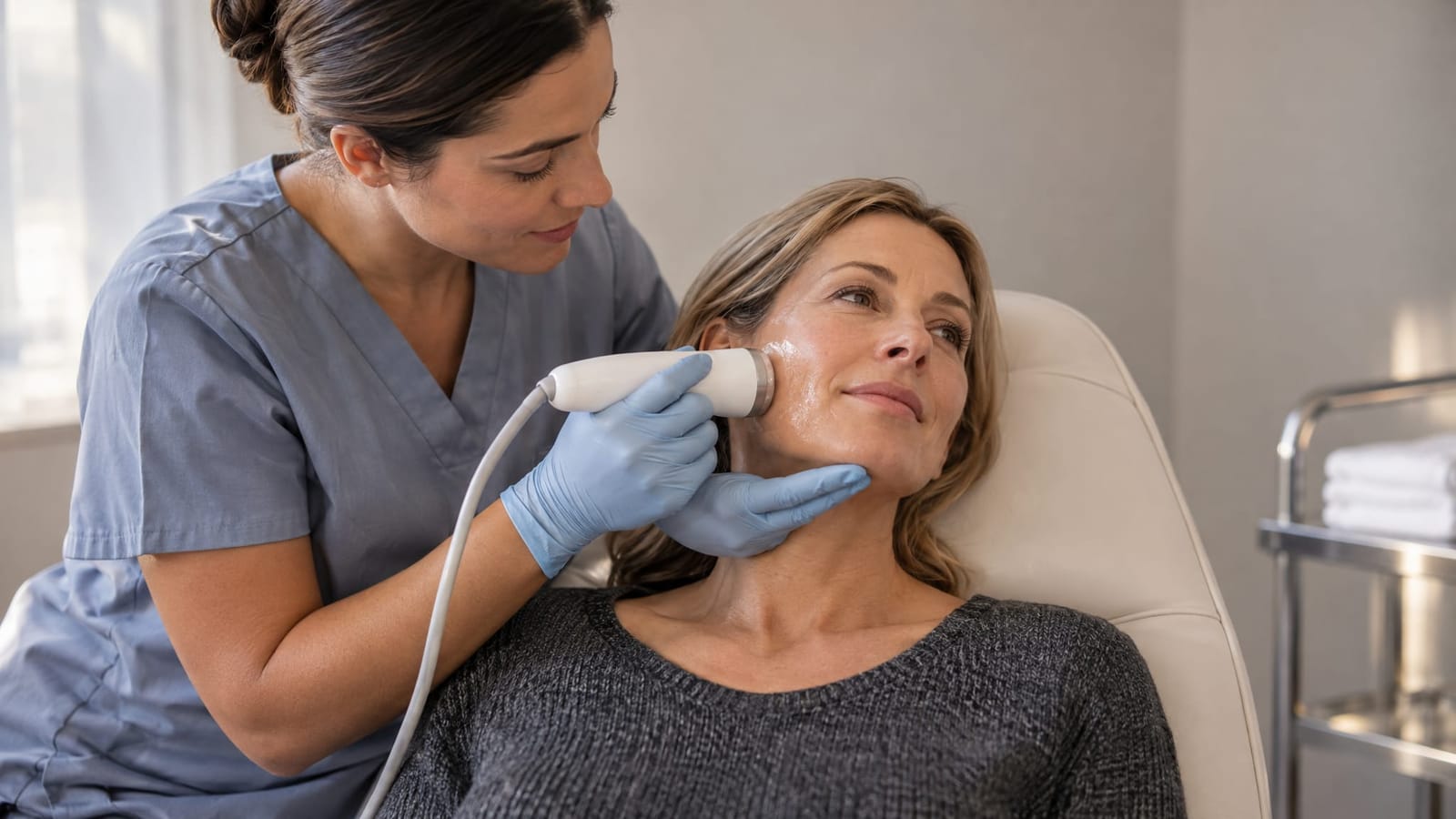
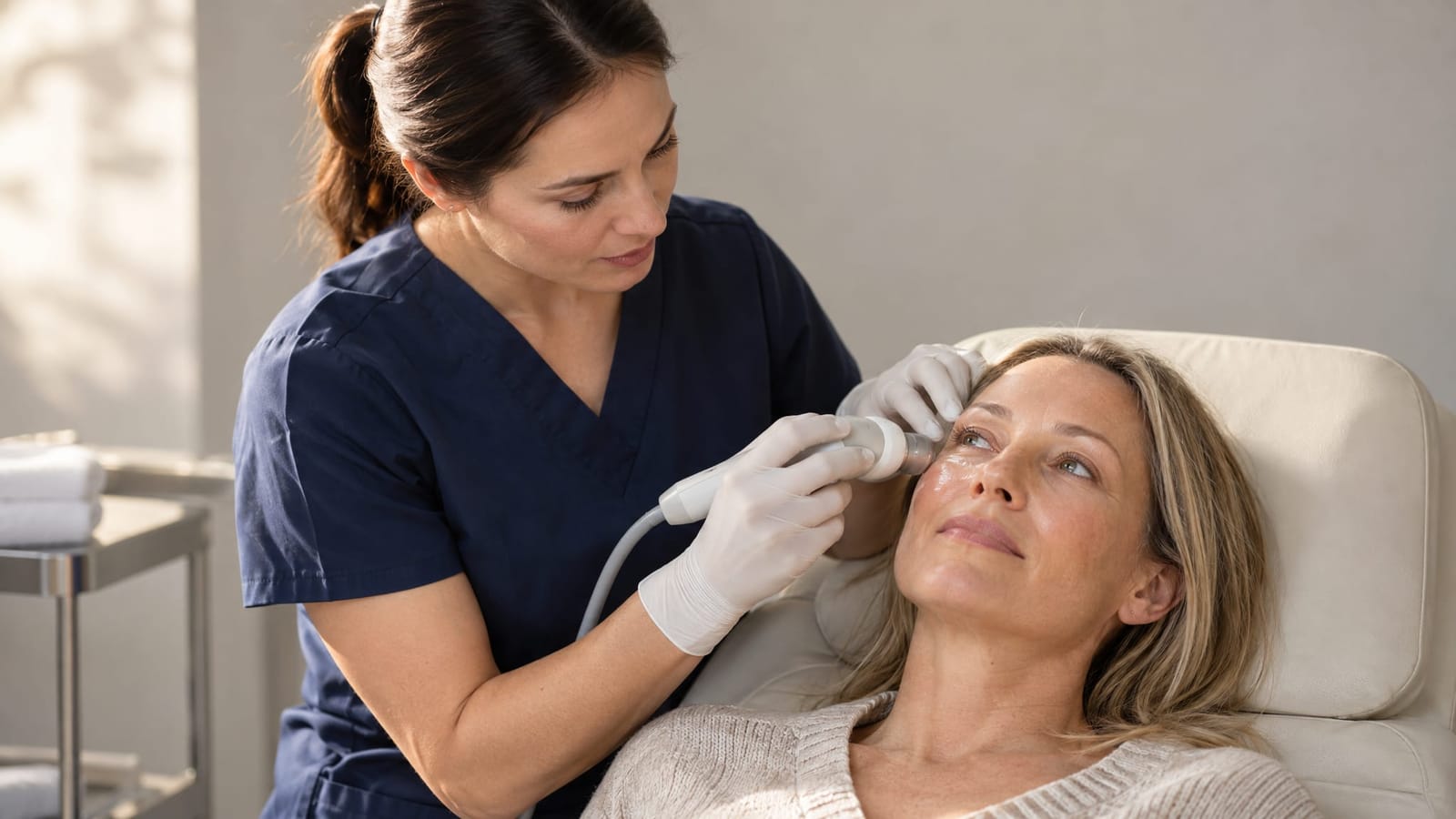
For microcurrent-based non-invasive facelift treatments, one of the most well-established modalities, the standard recommendation is approximately 10 sessions to achieve a full lifting and toning result. These sessions are typically scheduled closely together at the start of treatment, often two to three times per week, to build and sustain the tissue response.
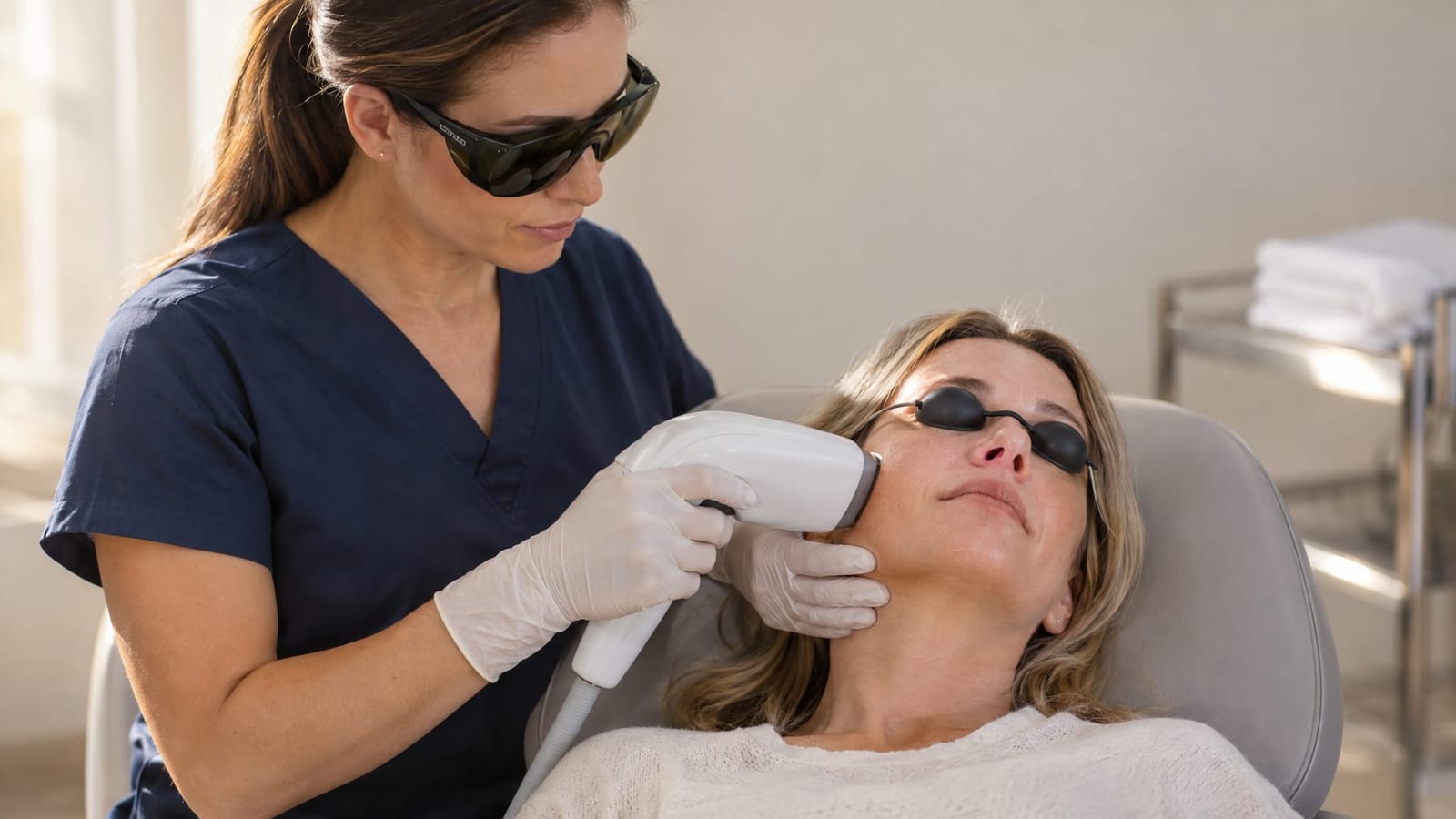
Other technologies follow different schedules. Energy-based treatments such as plasma resurfacing may require anywhere from one to six sessions, depending on the specific device, the depth of treatment, and the skin concerns being addressed. Injectables like neurotoxins require maintenance appointments approximately every three to four months.
At Chara Health, treatment plans are developed individually. The starting point is always a thorough consultation to assess your skin, discuss your goals, and recommend a series that makes sense for your situation, not a one-size-fits-all package.
Step 2: Identify the Factors That Affect Your Individual Session Count
Understanding why the number of sessions varies from person to person helps set realistic expectations before you begin. Several factors influence how your skin responds and how many appointments you may need to reach your goals.
- Age and skin laxity: Skin that has experienced more significant volume loss or laxity over time may require a longer initial series to build visible results.
- Treatment modality: Different technologies stimulate tissue differently. Microcurrent works cumulatively over multiple sessions; some energy devices can achieve meaningful results in fewer visits.
- Skin health baseline: Hydration, overall skin condition, lifestyle factors like sun exposure, and existing skincare habits all influence how tissue responds to treatment.
- Combination protocols: When multiple modalities are used together, for example, combining surface resurfacing with deeper lifting technology, session counts for each component may be adjusted.
- Individual biological response: Every patient's physiology is different. Some people respond more quickly; others benefit from a more gradual approach.
A qualified provider will reassess your progress throughout the series and can adapt the plan based on how your skin is responding.
Step 3: Consider How Exosomes and Peptides May Influence Your Plan
One of the more interesting developments in non-invasive facial rejuvenation is the integration of regenerative adjuncts, including exosomes and peptides, alongside traditional treatment modalities. While research in this area continues to evolve, these additions are designed to support the skin's natural recovery and renewal processes.
The rationale is straightforward: if the skin's cellular environment is better supported between and during sessions, the tissue may be more receptive to treatment. This does not mean fewer sessions are always the outcome, but a well-supported skin environment may contribute to a more efficient response over the course of your series.
Peptide-based topical or infusion protocols are sometimes incorporated into non-invasive facelift sessions to complement the mechanical or energy-based stimulation. Exosome applications, which work at a signaling level to encourage regenerative activity, are an emerging area that some practices are beginning to integrate thoughtfully into post-treatment care.
It is important to approach these additions with measured expectations. Neither exosomes nor peptides are positioned as replacements for a complete treatment series, and their role in any individual plan should be discussed carefully with your provider.
Step 4: Plan for Maintenance After Your Initial Series
Completing your initial series is not the end of the process: it is the beginning of a maintenance phase. This is where many patients find long-term value in their investment.
For microcurrent protocols, once the initial 10-session series is complete, most patients are advised to schedule maintenance appointments every four to eight weeks to sustain results. Some providers recommend a minimum of three sessions spaced three to six weeks apart as an entry-level course, depending on the patient's goals and where they are starting.
The good news about consistent maintenance is that it tends to reduce the intensity required to maintain results over time. Patients who stay on a regular schedule often find that their skin holds results well between visits, and that periodic sessions keep the cumulative lifting and toning effect intact.
Think of it similarly to how the body responds to physical conditioning: regular, sustained effort produces and maintains results better than sporadic intensive effort.
If you are weighing different approaches to facial rejuvenation, our overview of non-invasive vs surgical facelift options explores how these two paths compare in terms of commitment, recovery, and results, which may help you decide which direction fits your lifestyle.
Step 5: Have a Realistic Planning Conversation with Your Provider
The most useful step you can take before beginning any non-invasive facelift series is a thorough consultation with an experienced provider. This conversation should cover your specific skin concerns, the technologies being recommended, a realistic projection of how many sessions are likely in your initial series, and what a maintenance schedule might look like going forward.
Questions worth asking during your consultation include:
- How many sessions are you recommending for my initial series, and why?
- How far apart will my appointments be scheduled?
- What results should I expect after my first few sessions versus the full series?
- What maintenance schedule do you suggest after the initial series?
- Are there adjunct options like peptides or exosomes that might be appropriate for my plan?
A provider who takes time to answer these questions thoroughly is one who is approaching your care thoughtfully, which is exactly what this type of personalized aesthetic plan requires.
Frequently Asked Questions
How many sessions does a non-invasive facelift typically require?
For most microcurrent-based protocols, the standard initial series is approximately 10 sessions, often scheduled two to three times per week at the start. Other modalities vary: some energy-based treatments may require as few as one to six sessions. Your provider will recommend a series based on your specific goals and skin condition.
How long do results last after completing a non-invasive facelift series?
Results vary by individual and treatment type. With regular maintenance sessions, typically every four to eight weeks after the initial series, many patients sustain their results effectively over time. Consistency with maintenance is one of the most important factors in longevity of results.
Can exosomes or peptides reduce the number of sessions I need?
Regenerative adjuncts like exosomes and peptides are designed to support the skin's environment and response to treatment. While they may contribute to a more efficient overall process, they are not typically positioned as a way to dramatically reduce session counts. Their role in your plan should be discussed with your provider based on your individual circumstances.
Is there a minimum number of sessions to see results?
Some patients notice early changes within the first few sessions, while more significant, cumulative results typically become visible as the series progresses. A minimum series of around three sessions is sometimes recommended as an entry-level course, though most full-results protocols involve more visits than that.
Conclusion
The number of sessions involved in a non-invasive facelift is not a single fixed answer: it is a range shaped by the technologies used, your individual skin, and the goals you bring to your consultation. A standard microcurrent series often involves around 10 initial sessions, with ongoing maintenance every four to eight weeks afterward. Additions like exosomes or peptides may complement your plan, while factors like skin laxity and lifestyle influence your individual response. The clearest path forward is a personalized consultation with a qualified provider who can map out a realistic plan tailored specifically to you.