Abdominal Body Sculpting: Questions About Peptides, Stem Cells, and Exosomes

Abdominal body sculpting focuses on contour. Changing overall body composition, maintaining strength, and improving metabolic health are different goals. When peptides, stem cells, or exosomes appear in a proposed plan, the important question is what evidence connects each specific product to the outcome you want.
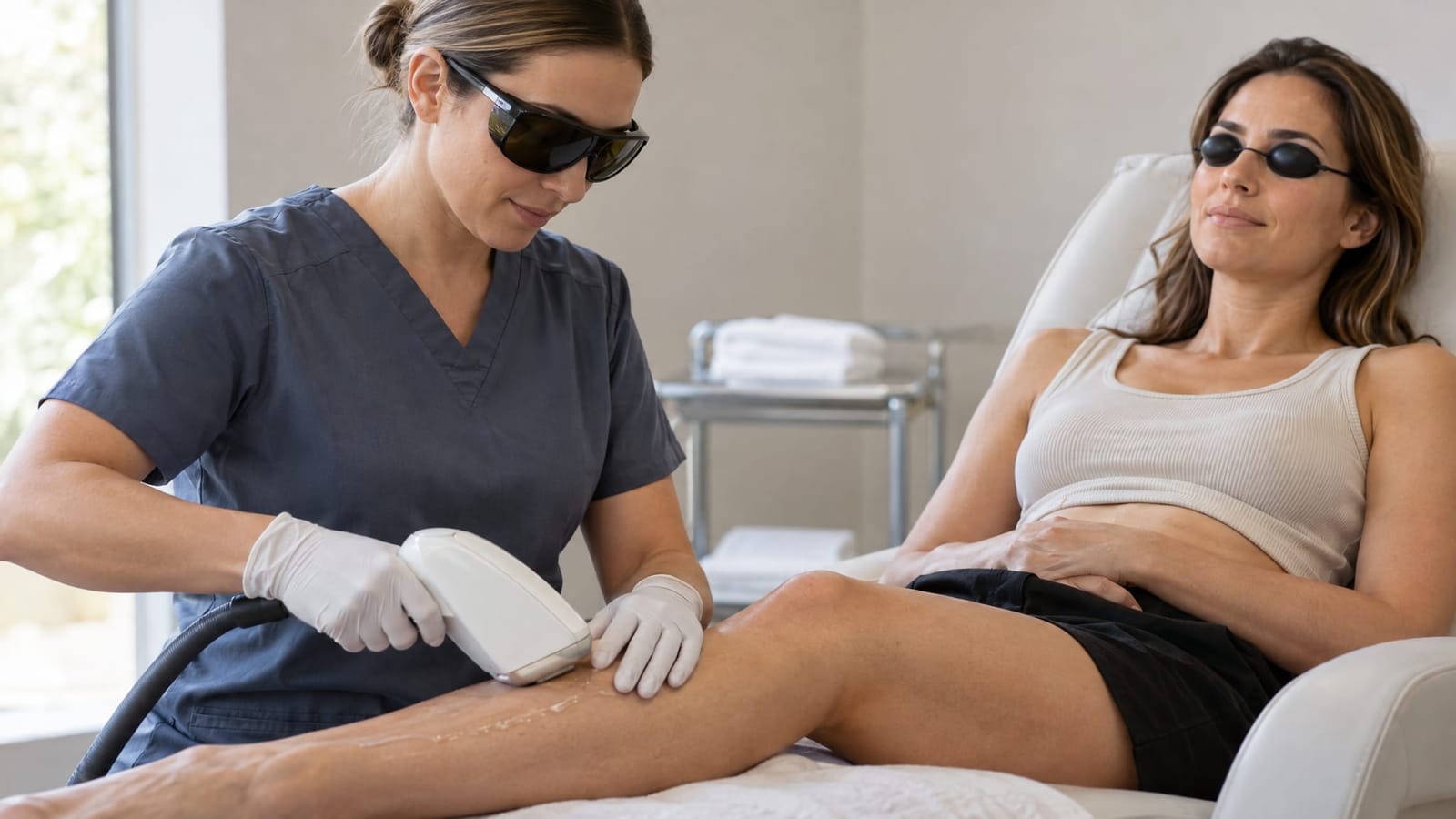
For people comparing abdominal body sculpting in Los Angeles, that distinction matters. The FDA explains that non-invasive body contouring is not intended for weight loss and does not provide the health benefits associated with weight loss. A localized change in appearance is not the same as a change in long-term health.
Start With the Goal: Contour, Body Composition, or Function?
Someone who wants a flatter-looking abdomen while maintaining strength has more than one goal. Comparing a contouring procedure with a program that mentions peptides becomes easier when those goals are separated:
- Localized contour: Is the concern a particular area of fullness?
- Skin appearance: Is loose skin contributing to the outline?
- Body composition: Is the goal a change in the balance of fat and lean tissue?
- Function: Is maintaining strength or improving everyday mobility the priority?
These goals can overlap, but they require different assessments. A smaller-looking abdomen is an appearance outcome. Changes in fat mass, lean mass, or physical performance need measurements that address those outcomes directly.
Skin laxity also deserves separate consideration. An approach intended to change skin appearance has a different target from one intended to reduce localized fat. Similarly, fat beneath the skin and fat surrounding internal organs are different concerns. A photograph cannot show whether metabolic health improved.
A comparison of body sculpting vs liposuction addresses contouring methods. Questions about peptides, stem cells, and exosomes require a separate evaluation of the specific product, intended use, clinical evidence, and risks.
At Chara Health USA in Chatsworth, we offer personalized consultations with Dr. Joy Kong focused on cellular health and longevity. This article provides general education; your medical history, goals, and potential risks need individual evaluation with our physician.
Peptides, Stem Cells, and Exosomes Are Different Categories
These terms describe different biological components. They are not interchangeable, and a general description of how something functions in the body cannot answer what a particular medical product will accomplish.
Peptides: The Specific Product and Intended Outcome Matter
Peptides are short chains of amino acids. Some participate in signaling within the body, but the word “peptide” does not describe a single medication, mechanism, or expected outcome.
For abdominal body composition, a meaningful discussion identifies the exact proposed intervention and the outcome being considered. Body weight, fat mass, lean mass, and waist circumference measure different things. Evidence about a change in body weight, for example, cannot by itself explain whether muscle mass was maintained.
If a compounded medication enters the discussion, its regulatory status also matters. The FDA explains that compounded drugs are not FDA-approved and that it does not review them for safety, effectiveness, or quality before marketing. Compounding and FDA approval are different processes.
Stem Cells: Biological Properties Are Different From Clinical Outcomes
Stem cells can self-renew and, depending on their type, develop into specialized cell types. Those properties explain scientific interest in them. Evaluating a proposed use for abdominal appearance or body composition requires human clinical evidence specific to that application.
The relevant details include the cell type, product preparation, method of administration, and intended use. Findings about one cell type or application cannot simply be transferred to another. A description of naturally occurring stem cells is a starting point for understanding biology, not a prediction of a product’s effects.
Exosomes: Cell Communication Is Not the Same as Fat Reduction
Exosomes are small, membrane-enclosed particles released by cells. They carry biological material and participate in communication between cells. They are not stem cells.
Cellular communication describes a biological process. A claim about changes in abdominal fat, skin appearance, or muscle mass needs clinical evidence measuring that outcome.
Regulatory status is particularly important here. The FDA’s consumer alert on regenerative medicine products warns about unapproved products marketed as containing stem cells or exosomes and states that there are no FDA-approved exosome products.
Does Combining Approaches Add a Measurable Benefit?
A claim that peptides or cellular products “maximize” abdominal sculpting outcomes needs evidence about that particular combination. A plausible biological explanation alone cannot show whether adding another intervention improves the result.
The most useful questions are specific:
- Product match: Did human studies evaluate the same product, method of administration, and intended use?
- Comparison: Was the combination compared with the contouring procedure alone?
- Outcome: Did the study measure contour, fat mass, lean mass, function, or something else?
- Duration: How long were participants followed?
- Risks: What adverse effects were reported, and how were they monitored?
For example, a smaller waist measurement does not by itself demonstrate preserved muscle mass. A laboratory finding about cell signaling cannot answer whether people experienced a meaningful improvement. The measurement needs to match the claim.
There is also a practical tradeoff. A combined plan may involve additional costs, visits, monitoring, or recovery requirements. Comparing those burdens with the evidence for added benefit is more useful than assuming that a more complex plan is a better one. An itemized explanation can clarify what each component is intended to contribute.
What Before-and-After Photos Can and Cannot Show
Before-and-after photographs can document visible appearance, but lighting, posture, camera angle, clothing, and timing affect comparisons. Consistent photography makes visual assessment more useful.
Photos cannot isolate the contribution of an individual intervention when several changes occurred together. If someone changed exercise habits, nutrition, and multiple procedures during the same period, the image alone cannot identify which change produced the visible difference.
A useful results discussion therefore includes more than an image:
- The outcome being measured and the method used to assess it.
- The time between the intervention and the assessment.
- Other procedures or lifestyle changes during that period.
- Any adverse effects and follow-up care.
For an appearance goal, standardized photographs may be part of the assessment. For a body-composition or strength goal, images leave important questions unanswered.
Frequently Asked Questions
Does third-party peptide testing demonstrate clinical effectiveness?
No. Testing can address the specific quality characteristics examined. It does not demonstrate that a product improves abdominal contour, changes body composition, or adds benefit to another intervention. Product-quality testing and clinical-outcome evidence answer different questions.
Does a listing on ClinicalTrials.gov mean a product is FDA-approved?
No. A trial listing is not FDA approval. The FDA consumer alert linked above also cautions that inclusion in ClinicalTrials.gov does not mean a regenerative medicine product is legally marketed.
What information helps make a consultation more useful?
A clear description of the goal, relevant medical history, medications and supplements, prior procedures, and recent weight or activity changes provides context. Written product names and specific claims from an advertisement allow a more focused discussion than broad labels such as “cellular wellness.” Practical concerns, including cost, travel, follow-up, and recovery time, also belong in the discussion.
Keep the Goal and the Evidence Connected
A useful plan explains what is intended to change, how that change would be measured, and what risks and practical burdens are involved. Localized contour, skin appearance, strength, and overall body composition deserve separate assessment. Peptides, stem cells, and exosomes likewise deserve separate explanations, with any proposed benefit tied to the specific product, intended use, and human clinical evidence.