Hair Restoration vs. Hair Transplant: Is Non-Surgical Regenerative Therapy a Better Option?
When exploring solutions for hair loss, one of the most common crossroads patients face is choosing between a surgical hair transplant and a non-surgical regenerative approach. For anyone researching hair restoration vs. hair transplant in Los Angeles, this decision deserves an honest, science-backed comparison, not a sales pitch. Both paths have real merit. Understanding the differences is essential to making a decision that aligns with your goals, lifestyle, and unique biology. At Chara Health USA, we believe that informed patients make better decisions. So in this guide, we walk through how each approach works, who benefits most, what recovery looks like, and why, in many cases, these two approaches aren't competing at all. They're complementary. Whether you're just beginning to notice thinning or you've already explored surgical options, this guide gives you the full picture on hair restoration vs. hair transplant in Los Angeles so you can move forward with clarity and confidence.
Hair Restoration vs. Hair Transplant in Los Angeles: What's the Real Difference?
Before comparing outcomes or costs, it's worth being precise about what these two options actually involve. The terms are often used loosely in clinics, on social media, and across the web, and that loose language creates real confusion for patients trying to make serious medical decisions. When Los Angeles patients search for hair restoration vs. hair transplant options, they often discover that clinics use these terms interchangeably. They shouldn't be. The distinction matters clinically, financially, and practically, and understanding it is the foundation of any smart decision.
At the most fundamental level, a surgical hair transplant moves hair you already have. Non-surgical regenerative hair restoration supports the biological environment your follicles need to thrive. That distinction shapes everything else, from candidacy to cost to recovery to long-term strategy. Understanding it clearly is the first step toward making a decision you'll be satisfied with years from now. When patients in Los Angeles compare hair restoration vs. hair transplant options with that clarity in mind, they consistently make better-informed, more confident treatment decisions.
The hair restoration vs. hair transplant Los Angeles conversation has also evolved significantly over the past five years. What was once a binary choice between doing nothing and undergoing surgery now spans a much wider therapeutic spectrum: one that includes scientifically advanced regenerative protocols capable of producing meaningful clinical results without a single incision. That evolution is worth understanding in full before committing to any path.
What Is a Surgical Hair Transplant?
A surgical hair transplant is a procedure in which individual hair follicles are extracted from a donor area, typically the back or sides of the scalp, where hair is more resistant to loss, and transplanted into areas of thinning or baldness. The two primary techniques are Follicular Unit Transplantation (FUT), which removes a strip of scalp tissue, and Follicular Unit Extraction (FUE), which harvests individual follicles one at a time. Both require local anesthesia, involve a recovery period, and result in the permanent placement of existing follicles into new locations. Both techniques have their place depending on the patient's specific anatomy, degree of loss, and aesthetic goals.
The key distinction: a hair transplant relocates hair you already have. It doesn't regenerate or create new follicles. It redistributes your existing hair capital to areas where it has been depleted. According to the International Society of Hair Restoration Surgery (ISHRS), over 700,000 hair restoration procedures are performed globally each year, with FUE now accounting for the majority of surgical cases due to its reduced scarring and faster recovery profile. In Los Angeles alone, demand for hair transplant procedures has grown steadily over the past decade, driven by increased awareness, improving technique, and a culture that places meaningful value on appearance and vitality. For patients evaluating hair restoration vs. hair transplant in Los Angeles, knowing the mechanics of the surgical side is essential before assessing whether it's the right fit.
What Is Non-Surgical Regenerative Hair Restoration?
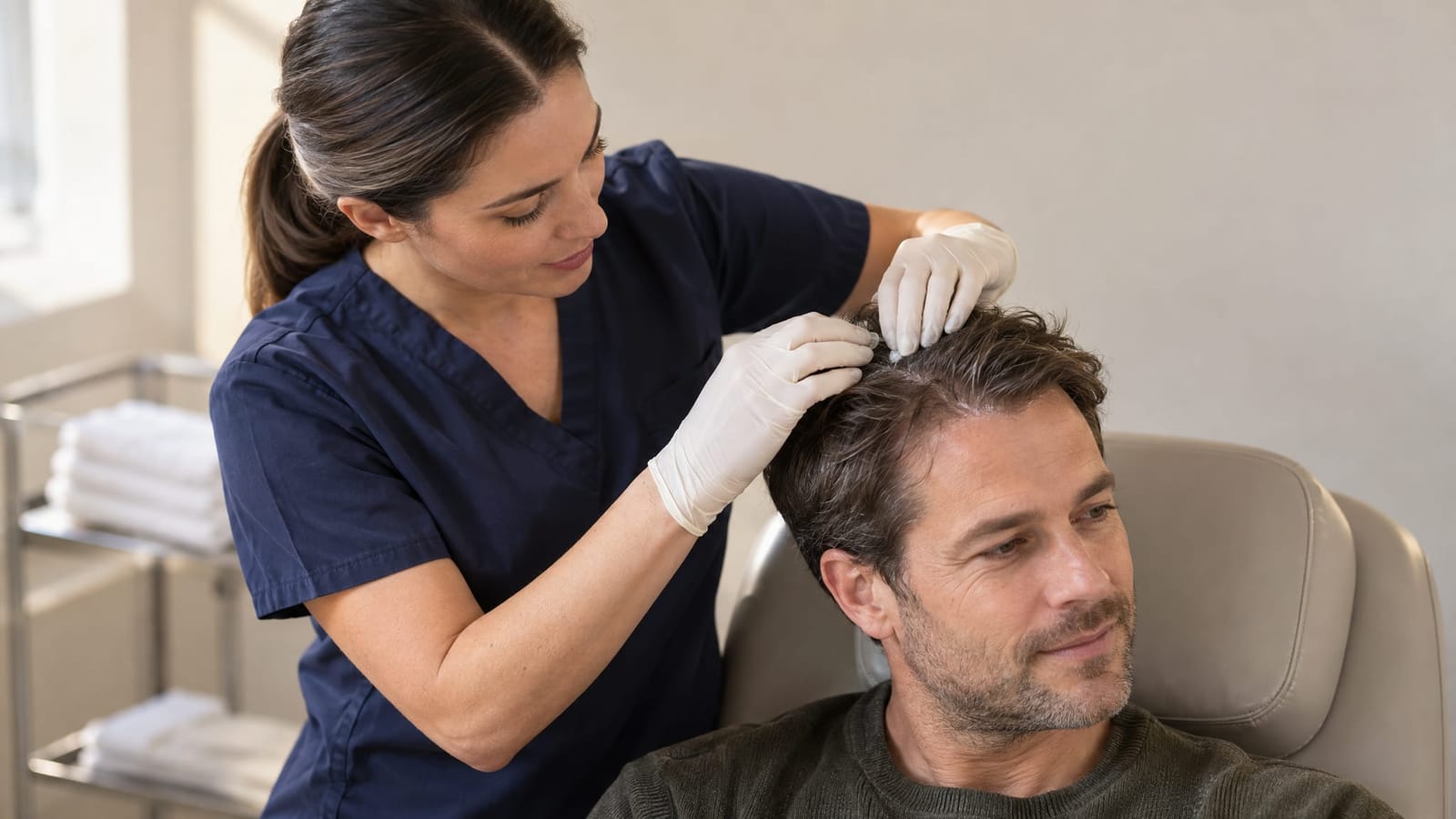
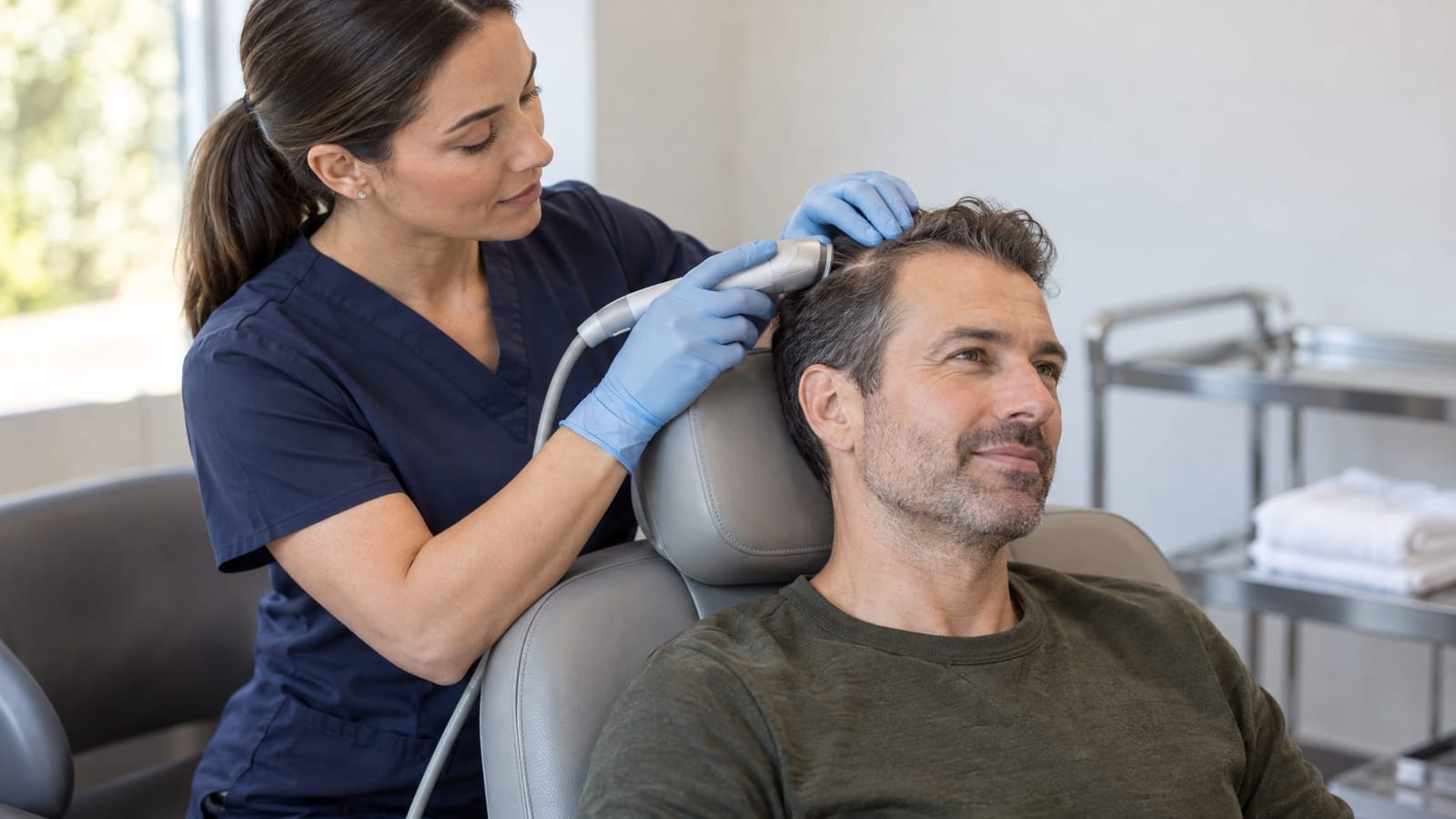
Regenerative hair restoration takes a different premise entirely. Rather than moving follicles from one place to another, regenerative therapies aim to support and revitalize the biological environment that follicles need to thrive. Approaches may include exosome therapy, peptide protocols, growth factor treatments, and advanced scalp therapies designed to encourage the body's own repair mechanisms at the follicular level. This is not the same as older-generation treatments like topical minoxidil or basic PRP: these are mechanistically distinct approaches rooted in the emerging science of cellular communication and tissue regeneration.
These treatments work at a cellular and tissue level. They address inflammation, circulation, cellular signaling, and the microenvironment surrounding hair follicles. Research published in the Journal of Cosmetic Dermatology and other peer-reviewed journals has highlighted the role of exosome-derived growth factors, including VEGF, KGF, and HGF, in stimulating follicular activity and extending the anagen (growth) phase of the hair cycle. A 2021 study in Stem Cell Research & Therapy found that exosome-based treatments produced statistically significant improvements in hair density and follicular diameter compared to placebo controls. At Chara Health USA, our regenerative protocols are built on this emerging science, not on outdated approaches that have plateaued in effectiveness. For Los Angeles patients comparing hair restoration vs. hair transplant through a science-first lens, the regenerative side of this conversation is advancing rapidly, and it deserves serious consideration.
For patients curious about the underlying science, our detailed post on exosome hair restoration treatment offers a closer look at how extracellular vesicles may support follicle regeneration in ways that older treatments simply couldn't replicate.
Who Is the Right Candidate? Comparing Hair Restoration vs. Hair Transplant in Los Angeles
This is perhaps the most important section of this comparison, and the one most commonly oversimplified in generic content. When evaluating hair restoration vs. hair transplant in Los Angeles, the right approach is highly individual. A thorough consultation with a qualified physician is the only way to determine what's appropriate for your specific situation. That said, certain patterns tend to emerge consistently in clinical practice, and understanding them helps you arrive at your consultation better prepared. Below, we break down the candidacy profile for each approach so you can begin to identify where you might fall on the spectrum.
When a Surgical Hair Transplant May Be the Better Choice
- Advanced, established hair loss: Patients with significant baldness, particularly large areas of complete follicle loss, may see the most visible structural change from surgical transplant. Follicles in those areas may no longer be viable candidates for regenerative activation.
- Desire for permanent structural change: Patients seeking a single, long-lasting intervention to permanently redistribute their hairline or overall density may find that surgery aligns best with their expectations and lifestyle.
- Adequate donor supply: Transplant success depends heavily on having sufficient healthy donor hair available. Without a robust donor area, surgical options become limited. A physician assessment is essential before assuming surgery is viable.
- Stable hair loss pattern: Ideally, candidates for transplant have a stabilized pattern of loss. Operating on an actively progressing loss pattern can lead to an unnatural appearance over time as surrounding native hair continues to thin.
- Norwood Scale classification of III or higher: The Norwood Scale is the most widely used clinical tool for classifying male pattern hair loss from Stage I (minimal) to Stage VII (severe). Surgical transplant candidates are often assessed using this scale, and patients at Stage III or above with adequate donor supply tend to be more commonly recommended for surgical evaluation.
When Non-Surgical Regenerative Therapy May Be the Smarter First Step
- Early to moderate hair thinning: Patients who still have follicles present but are experiencing thinning, reduced density, or slowed growth may be well-suited to regenerative approaches. The goal is to support follicular health before further loss occurs: a proactive strategy rather than a reactive one.
- Preference for avoiding surgery: Many patients, especially those with demanding professional schedules, concerns about recovery, or medical considerations that make surgery less advisable, strongly prefer a non-invasive path. In Los Angeles, where downtime has a real professional and personal cost, this factor is significant for anyone weighing hair restoration vs. hair transplant options.
- Previous treatments with limited results: Patients who have tried conventional options like minoxidil or older PRP approaches without satisfying outcomes may find that regenerative protocols offer a meaningfully different and more advanced mechanism of action.
- Women experiencing hair loss: Surgical transplant is less commonly recommended for women due to diffuse thinning patterns that make donor harvesting more complex. Regenerative approaches often play a more central role for female patients. We explore this in depth in our post on hair restoration for women in Los Angeles.
- Patients prioritizing long-term scalp health: For the health-conscious individual who views hair loss as one signal of broader biological aging, regenerative medicine offers a systems-level approach, not just a cosmetic fix. This is a critical distinction in the hair restoration vs. hair transplant Los Angeles conversation for patients who think about their health holistically.
- Patients with underlying health drivers: Hair loss caused by hormonal imbalances, nutritional deficiencies, autoimmune activity, or chronic inflammation may respond better to a root-cause approach. Regenerative protocols at Chara Health USA consider the systemic picture, not just the scalp in isolation.
Cost Comparison: Hair Restoration vs. Hair Transplant in Los Angeles
Beyond biology, the practical realities of each approach matter enormously, especially in a city like Los Angeles, where time, lifestyle, and financial investment carry real weight. Understanding the cost landscape for hair restoration vs. hair transplant in Los Angeles helps patients plan with clear expectations rather than unpleasant surprises. Cost is not a superficial consideration: it shapes adherence, long-term planning, and the overall patient experience from consultation through follow-up.
Surgical hair transplants in Los Angeles typically range from approximately $6,000 to $18,000 or more, depending on the number of grafts required, the technique used, and the surgeon's level of experience and reputation. This is generally structured as a one-time surgical fee, though some patients pursue additional procedures as hair loss continues in untreated areas over time. According to RealSelf data, the average cost of a hair transplant in Los Angeles is higher than the national average, reflecting the city's competitive market for specialized aesthetic medicine. The American Society of Plastic Surgeons reports that the national average cost for a hair transplant procedure is approximately $4,000-$15,000, with Los Angeles-based practices frequently at the upper range of, and often above, that spectrum.
Non-surgical regenerative protocols vary considerably based on the specific treatments involved, the number of sessions recommended, and the degree of hair loss being addressed. Regenerative approaches are typically structured as a series of treatments rather than a single session, and an ongoing maintenance plan is often part of the long-term strategy. At Chara Health USA, we don't provide price lists in place of consultations, because the right investment depends entirely on the individual patient's needs, biology, and goals. What we do provide is full transparency during that consultation, with no pressure and no ambiguity. Every patient deserves to understand what they're investing in before they commit. For anyone comparing hair restoration vs. hair transplant in Los Angeles on financial grounds alone, that transparency is a meaningful differentiator.
Understanding the True Cost of Each Option
When comparing costs for hair restoration vs. hair transplant in Los Angeles, it's important to look beyond the initial price tag. Many patients focus on the upfront number without accounting for the full financial picture over time. Consider the following hidden or downstream costs that patients often overlook when making this comparison:
- Post-surgical medications: Hair transplant patients are often prescribed antibiotics, anti-inflammatories, and minoxidil post-procedure, adding meaningfully to the total expense.
- Time off work: Surgical recovery may require one to two weeks of reduced activity. For Los Angeles professionals, the opportunity cost of that downtime is real, substantial, and rarely factored into the quoted price.
- Ongoing hair loss in non-transplanted areas: Surgery doesn't stop hair loss elsewhere on the scalp. Many transplant patients find themselves investing in additional procedures or adjunct treatments over time to maintain overall density and a natural appearance.
- Maintenance for regenerative protocols: Regenerative treatments are often most effective when combined with a maintenance schedule. While this represents an ongoing investment, it also means continuous monitoring and adaptation of the protocol as your biology evolves: a meaningful benefit in its own right.
- Revision procedures: In cases where graft survival is suboptimal or results don't meet expectations, revision surgery may be needed: an additional cost that patients should discuss candidly with their provider upfront rather than discover after the fact.
For anyone genuinely comparing hair restoration vs. hair transplant in Los Angeles from a financial standpoint, total cost of care over three to five years is a more meaningful metric than the price of the initial procedure alone. At Chara Health USA, we help patients think through that full picture during the consultation process so there are no surprises down the road.
Recovery and Downtime: A Practical Comparison for Los Angeles Patients
For busy professionals and active individuals, recovery time is not a minor consideration. It is often one of the deciding factors when comparing hair restoration vs. hair transplant options in Los Angeles. The city's culture values productivity, presence, and appearance, which means both the recovery process itself and how it looks to others during that period genuinely matters to patients here. This is one area where the two approaches differ most dramatically, and where patients' day-to-day realities can tip the decision in a clear direction.
What Recovery Looks Like After a Surgical Hair Transplant
Surgical hair transplant involves a meaningful recovery period. Post-procedure, patients typically experience scalp tenderness, swelling, and visible scabbing in both the donor and recipient areas. Most patients are advised to limit physical activity for one to two weeks. The transplanted follicles go through a shedding phase, sometimes called "shock loss", before new growth begins. A 2019 review in the Dermatologic Surgery journal found that nearly 90% of transplant patients experience some degree of shock loss in the weeks following surgery, though most go on to see new growth within three to four months. This process means that visible results often don't appear until three to six months post-procedure, with more complete density becoming apparent at the twelve-month mark. For Los Angeles patients comparing hair restoration vs. hair transplant on practical terms, planning around this timeline matters: particularly for patients with public-facing professional lives where appearance during recovery is a genuine concern.
What Recovery Looks Like After Regenerative Hair Restoration
Non-surgical regenerative treatments generally involve minimal to no downtime. Most patients at Chara Health USA return to normal activities the same day, with little to no visible signs of treatment beyond mild redness that resolves within hours. There is no surgical wound to heal, no donor site to protect, and no shedding phase to manage. For patients with active schedules, whether they're executives, entertainers, or entrepreneurs navigating the demands of Los Angeles professional life, this practical reality often tips the decision toward exploring regenerative options first. This is especially true when hair loss is in its earlier stages and the window for preventive action is still open. In the ongoing conversation around hair restoration vs. hair transplant in Los Angeles, the zero-downtime profile of regenerative medicine is one of its most consistently cited advantages among our patient population at Chara Health USA.
Timeline to Results: Setting Realistic Expectations for Hair Restoration in Los Angeles
One consistent theme across both approaches is the need for patience. Hair biology operates on a slow timeline, and neither surgical nor regenerative approaches deliver overnight results. Understanding this upfront prevents frustration and supports adherence to the recommended protocol. For Los Angeles patients comparing hair restoration vs. hair transplant timelines, here is what the clinical evidence generally shows, and what you should expect to experience on each path.
Transplanted hair typically begins to grow visibly around three to six months post-procedure. More complete results are often visible at the twelve-month mark, with some patients seeing continued improvement up to eighteen months after surgery. A 2020 study published in the Journal of Dermatological Treatment confirmed that patient satisfaction with FUE outcomes peaked between 12 and 18 months post-procedure, with satisfaction rates above 80% among well-selected candidates. Patient selection is the most significant predictor of satisfaction: a reminder that candidacy assessment is not a formality but a clinically critical step.
Regenerative therapies also operate on a gradual timeline. Most patients notice changes in texture, reduced shedding, and improved density over a series of months as the follicular environment responds to treatment. At Chara Health USA, we track patient progress systematically using before-and-after photography, trichoscopy measurements, and patient-reported outcomes, and we adjust protocols based on how individual biology is responding. This ongoing measurement and adaptation is what separates genuinely regenerative medicine from generic wellness treatments. A cookie-cutter approach to regenerative medicine is not regenerative medicine at all, and Los Angeles patients comparing hair restoration vs. hair transplant deserve to work with providers who understand that distinction deeply.
Results Longevity: Which Approach Lasts Longer?
One of the most frequent questions when comparing hair restoration vs. hair transplant in Los Angeles is which approach delivers longer-lasting results. The honest answer requires nuance, and a willingness to resist oversimplified claims in either direction. Los Angeles patients are savvy consumers of medical information, and they deserve an honest answer rather than a polished marketing claim. Longevity depends not just on the treatment itself, but on the underlying cause of hair loss, the quality of the procedure or protocol, and what follow-up care looks like over time.
Transplanted follicles are selected precisely because they come from areas genetically resistant to the hormonal changes that drive most common hair loss: specifically, sensitivity to dihydrotestosterone (DHT). When the procedure is performed well and the patient is a good candidate, relocated follicles can maintain growth long-term. However, hair loss in the surrounding non-transplanted areas can and often does continue over time. This ongoing loss may create the need for additional procedures or adjunct treatments to maintain overall density and prevent an unnatural appearance as native hair continues to recede around the transplanted area. This is a reality that many patients don't fully anticipate when making the initial decision, and it's one of the most important conversations in the hair restoration vs. hair transplant Los Angeles evaluation process.
Regenerative therapies work by supporting the existing follicular ecosystem rather than permanently placing new follicles. Results are influenced by the patient's biology, the underlying cause of hair loss, and whether a maintenance protocol is followed. For many patients, periodic treatments become part of an ongoing hair health strategy rather than a one-time fix. This isn't inherently a disadvantage: it reflects the progressive nature of most hair loss conditions and the value of continuous biological support. But it is an important expectation to establish clearly before beginning treatment. At Chara Health USA, we build long-term treatment plans from the outset so patients understand both the commitment and the trajectory, and so that longevity of results is planned for, not left to chance. This long-horizon thinking is precisely what distinguishes a sophisticated hair restoration vs. hair transplant Los Angeles consultation from a standard sales conversation.
Can Regenerative Therapy and Hair Transplant Work Together in Los Angeles?
This is where the conversation about hair restoration vs. hair transplant in Los Angeles becomes particularly interesting, and where the framing of "versus" may be the wrong lens entirely. A growing body of clinical evidence and physician experience supports the use of regenerative therapies in conjunction with surgical hair transplant to support better outcomes for both procedures. Rather than choosing one or the other, many of the most sophisticated treatment plans in the Los Angeles market now incorporate both modalities strategically.
The rationale is straightforward. The success of transplanted follicles depends significantly on the quality of the recipient site's tissue environment. Regenerative treatments may help optimize scalp health, reduce post-procedural inflammation, support healing, and create a more favorable environment for graft survival and integration. A 2022 clinical study published in Aesthetic Surgery Journal found that patients who received exosome therapy alongside FUE transplant demonstrated improved graft survival rates and earlier onset of new hair growth compared to a control group that received surgery alone. Some surgeons in Los Angeles are now incorporating exosome or growth factor treatments into their peri-operative protocols for exactly this reason: a trend that underscores how the hair restoration vs. hair transplant Los Angeles conversation is evolving beyond a binary choice.
Additionally, for patients who have already undergone a transplant, regenerative protocols can play a valuable role in maintaining the health of native (non-transplanted) hair: potentially slowing ongoing loss and extending the longevity of overall results. This integrative approach, using regenerative medicine not as a replacement for surgery but as a complement to it, represents a more sophisticated, individualized model of hair restoration care. It's a model that Chara Health USA actively supports through our regenerative-first philosophy and our collaborative relationships with surgical specialists across Los Angeles. Patients who come to us having already explored the surgical side of the hair restoration vs. hair transplant equation often find that regenerative medicine fills the gaps that surgery alone cannot address.
Patients interested in the full spectrum of non-surgical options may also want to explore adjunct approaches such as laser light therapy for hair growth, which can be incorporated into a multi-modal hair health plan alongside other regenerative treatments offered at Chara Health USA.
Why Los Angeles Patients Are Choosing Regenerative Hair Restoration Over Traditional Surgery
Los Angeles is a uniquely demanding environment for anyone navigating hair loss. The city's culture, image-conscious, fast-moving, health-forward, shapes what patients expect from treatment. And the growing interest in regenerative medicine more broadly is accelerating the shift toward non-surgical approaches among health-conscious, informed patients who want more than a cosmetic patch. The global regenerative medicine market is projected to reach $94.2 billion by 2030, according to Grand View Research: a trajectory that reflects real shifts in both scientific capability and patient demand. That momentum is palpable in the Los Angeles hair restoration vs. hair transplant market, where patients are asking harder, smarter questions than ever before.
The Los Angeles market for hair restoration vs. hair transplant services is especially competitive and sophisticated. Patients here have access to world-class providers in both categories and are increasingly asking harder questions: not just "what procedure do I need?" but "what is driving my hair loss, and how do I address it at the root?" That mindset, systems-level thinking about health rather than symptom-level patching, is exactly where regenerative medicine excels. It's also why patients who come to Chara Health USA tend to be among the most engaged and outcomes-focused individuals we work with.
At Chara Health USA, we work with patients who are already invested in their long-term health. They're not looking for a quick fix. They want to understand the science, see the evidence, and make decisions that align with how they approach everything else in their health and wellness practice. For this type of patient, regenerative hair restoration isn't just a treatment: it's consistent with a broader philosophy about proactive, personalized medicine. It's the same reason these patients choose functional medicine over reactive care, and preventive diagnostics over waiting for symptoms to become severe. The hair restoration vs. hair transplant Los Angeles conversation, for this audience, is ultimately a conversation about how they want to engage with their health at every level.
Here is what we hear most often from patients who come to Chara Health USA after researching hair restoration vs. hair transplant in Los Angeles:
- "I wasn't ready for surgery, but I didn't want to do nothing while my hair kept thinning."
- "I tried minoxidil for two years with minimal results and wanted something that actually addressed the root cause."
- "I had a transplant five years ago and my surrounding hair has kept thinning. I need a strategy for what's left."
- "I want to understand what's driving my hair loss before I commit to any procedure."
- "I've read about exosomes and stem cell therapies. I want to know if they're real and whether they're right for me."
These are not patients who are uninformed or indecisive. They are patients who are asking the right questions, and regenerative medicine is increasingly providing meaningful answers backed by peer-reviewed research and real clinical outcomes. For these individuals, the hair restoration vs. hair transplant Los Angeles decision is not a coin flip. It's an evidence-based process, and they want a provider who approaches it the same way.
What to Look for When Choosing a Hair Restoration Provider in Los Angeles
Whether you're leaning toward a surgical transplant, a regenerative protocol, or a combination of both, the provider you choose matters enormously. The hair restoration vs. hair transplant Los Angeles market is saturated with options, and not all of them meet the same standard of clinical rigor, transparency, or individualized care. The wrong provider can lead to suboptimal outcomes, wasted investment, and, in the case of surgery, complications that are difficult or impossible to reverse. Knowing what to look for protects you from these risks and helps you identify a practice genuinely committed to your outcome.
Key Questions to Ask Any Los Angeles Hair Restoration Clinic
- Do they offer a genuine consultation or just a sales process? A legitimate provider will assess your scalp health, review your medical and family history, and discuss multiple options, not funnel you toward their highest-margin procedure. This is especially important when comparing hair restoration vs. hair transplant in Los Angeles, where provider incentives vary widely.
- Are their treatments evidence-based? Ask whether their regenerative protocols are based on peer-reviewed research. Any reputable clinic should be able to point to clinical studies supporting their approach, not just before-and-after photos curated for marketing purposes.
- Do they have objective before-and-after documentation? Objective documentation of outcomes, including trichoscopy data, photography, and patient-reported satisfaction scores, is a hallmark of clinically serious practices. Anecdotal testimonials alone are not sufficient evidence of consistent efficacy.
- How do they handle patients for whom their primary offering isn't appropriate? A trustworthy provider will refer you appropriately if surgery or a different approach is genuinely better for your situation, rather than defaulting to what they offer in-house. A regenerative medicine practice that never refers patients for surgery, or a surgical practice that dismisses regenerative options, may not be giving you the full picture in the hair restoration vs. hair transplant Los Angeles landscape.
- What does ongoing support look like? Hair health is a long-term endeavor. Providers who offer continuous monitoring, protocol adjustment, and responsive follow-up demonstrate a genuine commitment to outcomes over transactions. This is particularly important in regenerative medicine, where protocol adaptation over time directly influences results.
- Do they treat the underlying cause, not just the symptom? The most effective approach to hair loss addresses root causes, hormonal, nutritional, inflammatory, or genetic, rather than simply placing follicles or applying topical growth factors without context. Ask how your provider identifies and addresses contributing factors beyond the scalp itself.
At Chara Health USA, every patient relationship begins with a comprehensive consultation that prioritizes diagnosis over recommendation. We believe that the best hair restoration outcome starts with the most accurate understanding of what's driving the loss, and we take the time to develop that understanding before suggesting any course of treatment. This commitment to diagnostic rigor is what distinguishes us in the hair restoration vs. hair transplant Los Angeles landscape, where shortcuts and oversimplification are far too common.
The Science Behind Regenerative Hair Restoration: What the Research Says
For Los Angeles patients who approach their health decisions with the same analytical rigor they bring to their professional lives, the evidence base behind regenerative hair restoration matters as much as the clinical experience. The field has advanced substantially in the past five years, and patients comparing hair restoration vs. hair transplant in Los Angeles deserve to understand what that science actually shows, not just what clinics claim about it in their marketing materials. At Chara Health USA, we build our clinical protocols on the published literature, and we hold ourselves accountable to it.
Key Research Supporting Regenerative Approaches to Hair Loss
The scientific literature on regenerative hair restoration has grown meaningfully in recent years, with several landmark studies establishing a strong evidence base for the approaches Chara Health USA uses in clinical practice. Here is a summary of the most relevant findings for patients weighing hair restoration vs. hair transplant in a Los Angeles context:
- A 2021 study in Stem Cell Research & Therapy demonstrated statistically significant improvements in hair density and follicular diameter among patients treated with exosome-based therapy versus placebo, with results sustained at six-month follow-up.
- A 2022 clinical investigation published in Aesthetic Surgery Journal found that patients receiving exosome therapy as a peri-operative adjunct to FUE transplant showed improved graft survival and earlier new growth onset compared to a surgery-only control group.
- Research in the Journal of Cosmetic Dermatology identified VEGF, KGF, and HGF as key growth factors in follicular maintenance, all of which are present in high concentrations in the exosome preparations used in advanced regenerative protocols.
- A 2020 study in Journal of Dermatological Treatment confirmed FUE patient satisfaction rates above 80% at 12-18 months post-procedure among well-selected candidates: underscoring the importance of rigorous candidacy assessment on the surgical side as well.
- Multiple studies have confirmed that androgenetic alopecia, the most common cause of hair loss in both men and women, involves a progressive inflammatory microenvironment around the follicle. This finding directly supports anti-inflammatory regenerative interventions as a biologically rational treatment strategy, and it's a cornerstone of how Chara Health USA approaches the hair restoration vs. hair transplant Los Angeles conversation with each new patient.
At Chara Health USA, our clinical team stays current with the emerging literature in regenerative hair science and continuously refines our protocols based on new evidence. This commitment to evidence-based practice is non-negotiable, because patients who come to us for help with hair loss in Los Angeles deserve treatments that are grounded in science, not trend.
How Hair Loss Diagnosis Changes the Hair Restoration vs. Hair Transplant Decision in Los Angeles
One aspect of the hair restoration vs. hair transplant Los Angeles conversation that receives far too little attention is the role of diagnosis. The type of hair loss a patient has, not just the degree, is one of the most important factors in determining the appropriate treatment path. Treating androgenetic alopecia (the most common form, driven by DHT sensitivity and genetic predisposition) requires a different strategy than treating telogen effluvium (diffuse shedding triggered by stress, illness, or nutritional deficiency), alopecia areata (an autoimmune condition), or traction alopecia (caused by mechanical damage). These are not interchangeable diagnoses, and the treatment approach that works for one may be entirely wrong for another.
This diagnostic precision matters enormously when a patient walks into any Los Angeles clinic asking about hair restoration vs. hair transplant options. A provider who skips diagnostic evaluation and moves straight to recommending a procedure, surgical or regenerative, is doing their patient a disservice. At Chara Health USA, we begin every hair loss evaluation with a comprehensive diagnostic workup that may include trichoscopy, laboratory testing to assess hormonal status and nutritional markers, scalp analysis, and a detailed health and family history review. This allows us to identify not just the pattern of loss but the mechanism driving it, and to recommend a treatment strategy that addresses the actual cause, not just the visible symptom.
How Diagnosis Shapes the Treatment Path
Here is how different diagnoses tend to inform the hair restoration vs. hair transplant in Los Angeles decision in clinical practice:
- Androgenetic alopecia (male or female pattern hair loss): This is the most common scenario. Patients with mild to moderate androgenetic alopecia and viable follicles are often strong candidates for regenerative protocols, which can help stabilize the condition and improve follicular health. More advanced cases with significant follicle loss may require surgical intervention, with regenerative support used pre- or post-operatively.
- Telogen effluvium: This form of hair loss, triggered by systemic stressors, typically responds well to addressing the underlying cause (nutritional repletion, stress reduction, hormonal rebalancing) alongside regenerative support. Surgery is rarely appropriate in the acute phase of telogen effluvium.
- Alopecia areata: This autoimmune condition requires immunomodulatory management and is not typically addressed through surgical transplant during active disease. Regenerative and systemic approaches play a more central role here. This is a nuance that patients researching hair restoration vs. hair transplant Los Angeles options from a general web search may never encounter, but it can make the difference between wasted resources and meaningful outcomes.
- Traction alopecia: Caused by sustained tension on the hair shaft, this condition can sometimes be addressed through combination approaches, but requires behavioral modification first. Follicle viability in affected areas must be assessed before any regenerative or surgical intervention is considered.
Understanding your specific diagnosis before committing to any course of treatment is one of the most valuable steps any patient can take. At Chara Health USA, we make this diagnostic foundation the non-negotiable starting point of every hair restoration vs. hair transplant Los Angeles consultation we conduct.
Lifestyle Factors That Influence Hair Restoration Outcomes in Los Angeles
The outcome of both surgical and regenerative hair restoration is influenced significantly by factors outside the clinic: lifestyle choices, nutritional status, hormonal health, and sleep quality all play a measurable role in follicular function. For health-conscious Los Angeles patients who already invest in their wellbeing, this is not a surprising insight. But it deserves explicit attention in any serious hair restoration vs. hair transplant Los Angeles discussion, because lifestyle optimization can meaningfully amplify treatment results and extend their durability over time.
Key Lifestyle Factors That Affect Hair Health and Restoration Outcomes
Patients at Chara Health USA who see the best results from regenerative hair restoration protocols are typically those who approach their treatment as one component of a broader health strategy. The following lifestyle factors consistently emerge as clinically relevant in hair restoration outcomes, and they matter regardless of whether a patient ultimately pursues a regenerative protocol, a surgical transplant, or both:
- Nutritional status: Deficiencies in iron, ferritin, zinc, vitamin D, and B vitamins are strongly associated with increased hair shedding and impaired follicular function. A 2017 review in Dermatology Practical & Conceptual identified nutritional deficiency as an underrecognized driver of hair loss, particularly in patients who also have other stressors affecting the follicular environment. Identifying and correcting these deficiencies is part of the intake process at Chara Health USA.
- Hormonal balance: DHT, thyroid hormones, cortisol, and estrogen all influence hair follicle cycling. Patients with hormonal imbalances, whether from thyroid dysfunction, adrenal stress, or reproductive hormone changes, often find that addressing those imbalances is a prerequisite for meaningful hair restoration progress. This systems-level approach is central to how Chara Health USA differentiates itself in the hair restoration vs. hair transplant Los Angeles market.
- Sleep and stress management: Chronic sleep deprivation and elevated cortisol levels promote inflammation and may accelerate the miniaturization of follicles associated with androgenetic alopecia. Patients who prioritize sleep quality and effective stress management create a more favorable biological environment for hair restoration: regardless of whether they're pursuing a regenerative protocol or a surgical procedure.
- Scalp care and blood circulation: Regular scalp massage, proper cleansing, and avoidance of damaging chemical processes all contribute to the follicular microenvironment. For patients undergoing regenerative treatments, these supportive behaviors enhance the treatment's effectiveness and are routinely discussed during follow-up appointments at Chara Health USA.
- Exercise and cardiovascular health: Adequate physical activity supports circulation, hormonal regulation, and systemic inflammation reduction, all of which are directly relevant to follicular health. Patients who maintain regular aerobic activity often demonstrate better scalp vascularity, which supports both regenerative treatment uptake and post-surgical healing.
For Los Angeles patients comparing hair restoration vs. hair transplant options, understanding that lifestyle context shapes outcomes is empowering rather than discouraging. It means that the investment you make in your treatment, surgical or regenerative, is amplified by the investments you're already making in your health. And it means that your provider should be asking about these factors, not ignoring them in favor of jumping straight to a procedure recommendation.
Hair Restoration vs. Hair Transplant in Los Angeles: A Side-by-Side Summary
For patients who want a clear, at-a-glance comparison before scheduling a consultation, the following breakdown summarizes the most clinically relevant differences between surgical hair transplant and non-surgical regenerative hair restoration. This overview is designed to orient your thinking, not replace a personalized evaluation. Every patient's situation is different, and the right path for you depends on factors that only a thorough clinical assessment can fully clarify. That said, this comparison captures the key distinctions that consistently matter most to patients weighing hair restoration vs. hair transplant in Los Angeles.
Surgical Hair Transplant: Key Characteristics
- Mechanism: Relocates existing DHT-resistant follicles from donor areas to areas of thinning or baldness
- Best for: Advanced, stable hair loss with adequate donor supply; patients seeking permanent structural redistribution of hairline or density
- Invasiveness: Surgical procedure requiring local anesthesia; involves incisions, extraction, and implantation
- Downtime: One to two weeks of limited activity; visible scabbing and tenderness during recovery period
- Timeline to visible results: Three to six months for initial growth; full results at twelve to eighteen months