Laser Light Therapy for Hair Growth: The Science of Low-Level Laser in Hair Restoration
When most people think of lasers and hair, they think of removal, not regrowth. Yet laser light therapy for hair growth has become one of the most scientifically grounded tools in modern hair restoration. Low-level laser therapy (LLLT) works at the cellular level. It supports follicle health, improves scalp circulation, and creates conditions where thinning hair can recover. At Chara Health USA in Los Angeles, laser light therapy for hair growth is never used as a standalone quick fix. Instead, it becomes part of a comprehensive regenerative plan, often combined with exosomes, peptides, and other advanced therapies. This article explores how laser light therapy for hair growth works at the biological level, what the clinical evidence shows, and why a multi-modality approach consistently outperforms any single treatment alone.
What Is Laser Light Therapy for Hair Growth: and How Does It Differ from Other Lasers?
Not all lasers behave the same way. Hair removal lasers generate heat to destroy follicles. Laser light therapy for hair growth operates on an entirely different principle. It uses low-energy light that produces no heat, no burns, and no tissue damage. Instead, this light penetrates the scalp and is absorbed by cells. That absorption triggers a biological response called photobiomodulation: the foundation of all laser light therapy hair growth protocols.
LLLT devices typically emit red or near-infrared light. The most effective wavelengths for laser light therapy hair growth fall between 630 and 670 nanometers. These specific wavelengths matter because they penetrate skin at depths that reach the hair follicle bulge: the region where stem cells responsible for follicle cycling are located. Wavelengths outside this range are less effective at reaching the target tissue and producing measurable follicle responses.
Common laser light therapy for hair growth delivery formats include:
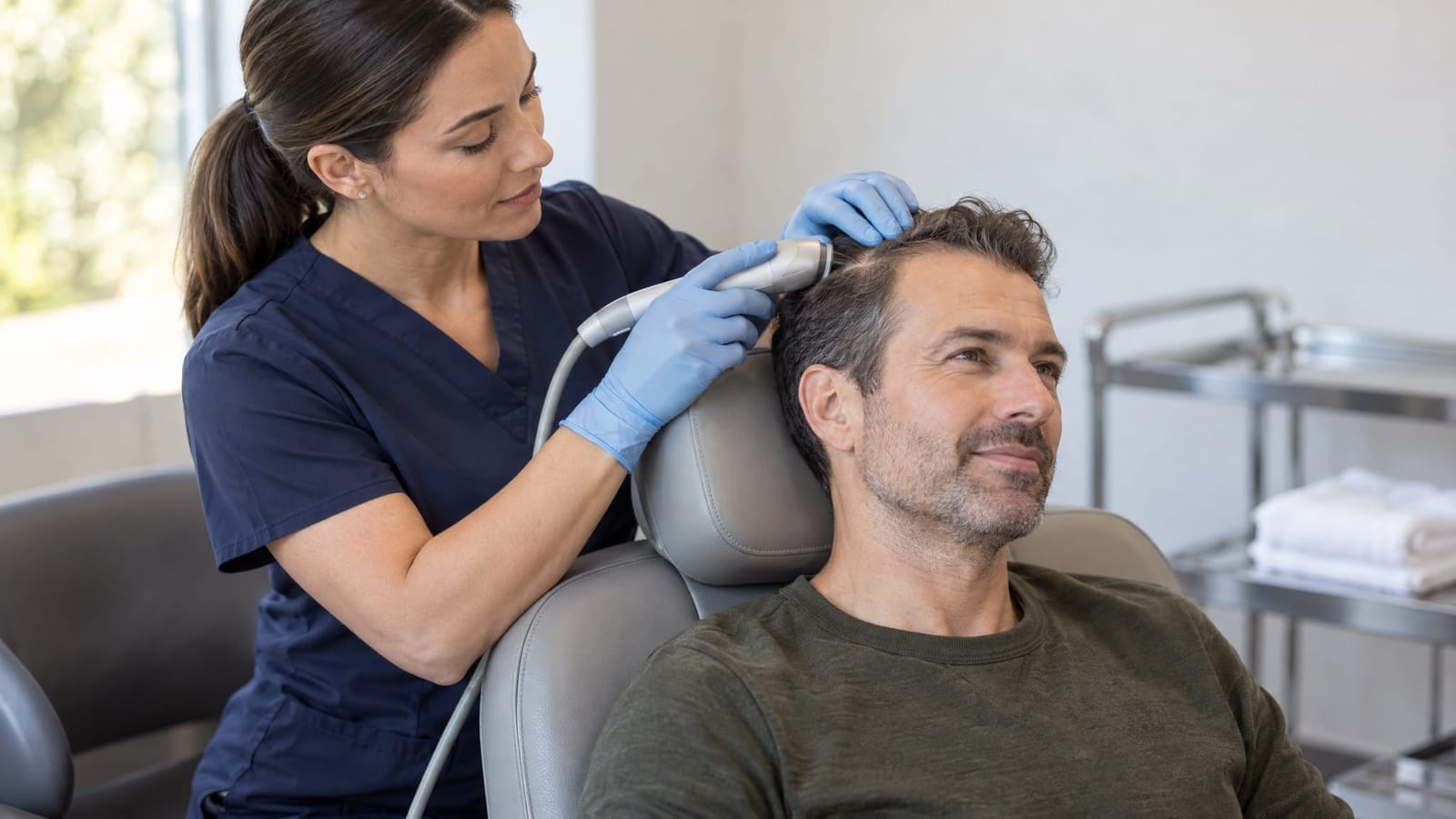
- Laser combs moved slowly across the scalp during each session
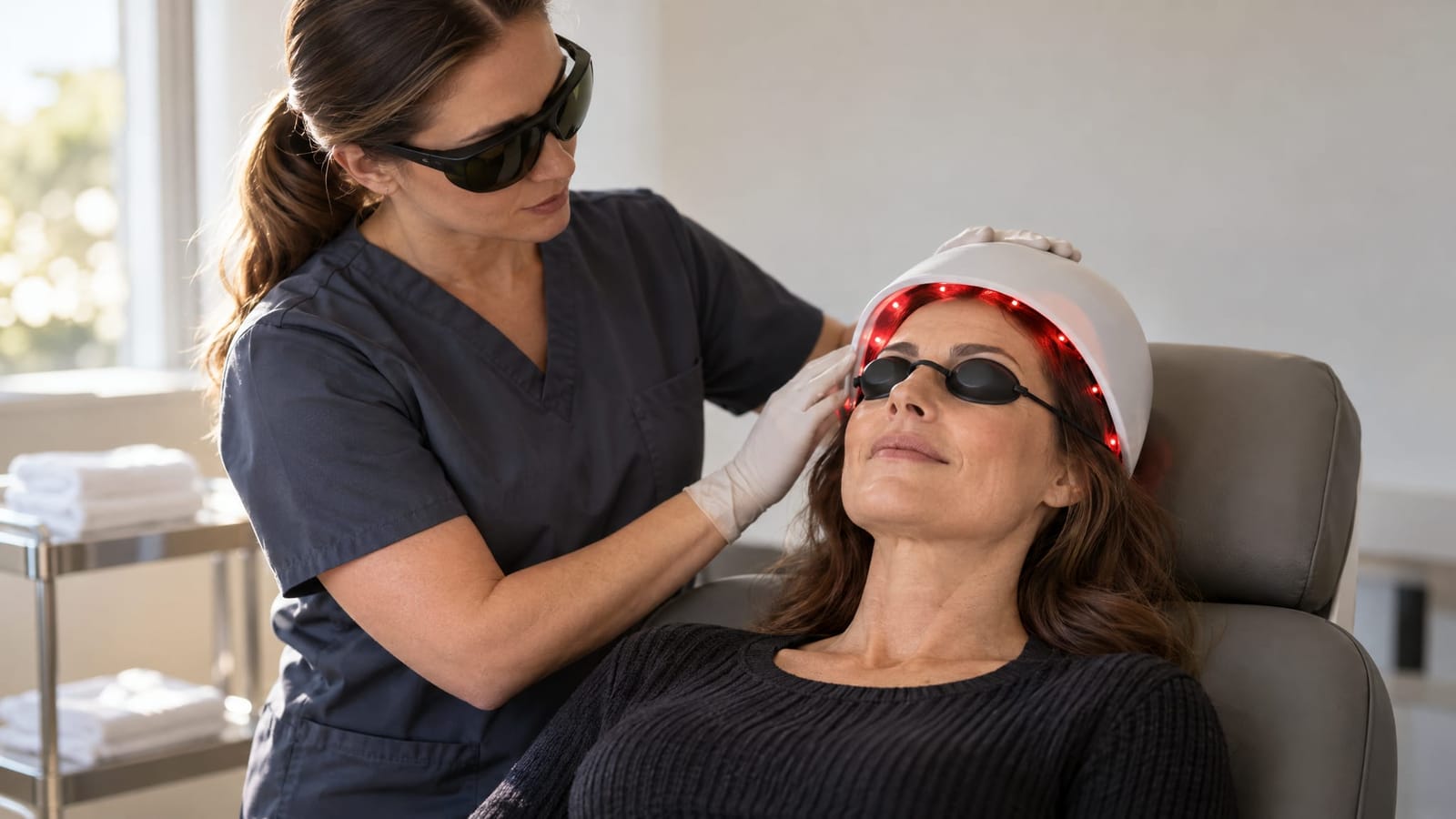
- Laser caps or helmets worn for defined treatment intervals
- Clinical-grade panels or hoods used in professional settings like Chara Health USA
- Combination devices integrating red light with near-infrared wavelengths for broader coverage
- Wearable LED and laser hybrid devices for at-home maintenance use
The American Hair Loss Association recognizes LLLT as a non-invasive treatment option for androgenetic alopecia in both men and women. The International Society of Hair Restoration Surgery (ISHRS) also distinguishes laser light therapy for hair growth clearly from ablative or hair removal lasers in both mechanism and purpose. Understanding this distinction helps patients ask better questions and make more informed decisions about their care.
The Biology Behind Laser Light Therapy Hair Growth Stimulation
To understand why laser light therapy for hair growth works, it helps to understand what happens inside a struggling follicle. Hair loss, particularly androgenetic alopecia, involves gradual follicle miniaturization. The growth cycle shortens. The anagen (growth) phase contracts. The telogen (resting) phase extends. Over time, follicles produce finer, shorter strands until visible hair production stops entirely. Laser light therapy for hair growth addresses this process through multiple, well-documented biological pathways.
Photobiomodulation intervenes in follicle decline through several overlapping mechanisms. Each pathway targets a different driver of the problem. Understanding them helps patients see why laser light therapy hair growth outcomes build gradually, and why consistency matters so much throughout treatment.
Mitochondrial Activation and Cellular Energy
Red and near-infrared light is absorbed by cytochrome c oxidase: an enzyme found inside the mitochondria of every living cell. When this enzyme is stimulated by laser light therapy for hair growth, mitochondria produce more adenosine triphosphate (ATP). ATP is the primary energy currency of the cell. Follicle cells with greater ATP availability are better equipped to sustain active hair production through longer, more robust anagen phases. Research published in Photomedicine and Laser Surgery confirms that cytochrome c oxidase is the primary photoacceptor in LLLT and that ATP upregulation is central to the therapy's cellular effects.
Improved Scalp Circulation and Nutrient Delivery
Research shows that laser light therapy for hair growth supports nitric oxide release at the scalp. Nitric oxide promotes vasodilation: the widening of blood vessels near the follicle base. Better circulation delivers more oxygen and more essential nutrients directly to active follicles. This supports the high metabolic demands of hair production. Patients with compromised scalp blood flow, a common finding in androgenetic alopecia, often report measurable improvements in follicle responsiveness as circulation improves through consistent laser light therapy hair growth sessions.
Reduced Oxidative Stress and Chronic Inflammation
Chronic inflammation and oxidative stress are now recognized as significant contributors to follicle deterioration in pattern hair loss. Peer-reviewed dermatology research, including work by Wikramanayake et al. using the HairMax Laser Comb: demonstrates that laser light therapy for hair growth reduces inflammatory cytokine signaling in the follicular environment. This anti-inflammatory effect may slow or halt the cellular damage that drives miniaturization over time. For patients with early-stage androgenetic alopecia, reducing this chronic inflammatory burden can meaningfully extend the productive life of at-risk follicles.
Shifting Follicles from Telogen Back to Anagen
Several studies have observed that laser light therapy for hair growth helps shift resting follicles back into the active growth phase. A 2014 randomized controlled trial published in the American Journal of Clinical Dermatology showed a statistically significant increase in hair count among LLLT users compared to sham device users over 26 weeks. This anagen phase-shift effect may be one of laser light therapy hair growth's most clinically meaningful contributions to restoration, because the follicle itself does not need to be rebuilt, only reactivated from a state of prolonged rest.
What the Clinical Evidence Actually Shows About Laser Light Therapy for Hair Growth
The evidence base for laser light therapy for hair growth is more developed than many patients realize. The published literature includes multiple randomized, controlled trials, not just anecdotal reports or manufacturer-funded studies. Here are key findings that patients and providers considering laser light therapy hair growth treatment should understand:
- A 2013 study in Lasers in Surgery and Medicine reported a 39% increase in hair growth among men treated with a laser comb over 26 weeks
- A separate trial involving 110 women with androgenetic alopecia found a 37% increase in hair growth using a similar laser light therapy device over the same 26-week period
- Multiple randomized, double-blind, sham-controlled trials have confirmed measurable increases in hair density and hair count among laser light therapy hair growth users
- A 2016 meta-analysis in the Journal of the American Academy of Dermatology concluded that laser light therapy for hair growth significantly increased hair count in patients with androgenetic alopecia across multiple device types and study designs
- Research consistently shows laser light therapy hair growth protocols are better tolerated than pharmacological options such as finasteride, with minimal side effects in otherwise healthy adults
- A 2021 systematic review in Dermatology and Therapy supported LLLT as an effective adjunct to other hair restoration modalities, noting synergistic effects when combined with PRP and topical agents
- Results are more modest when laser light therapy for hair growth is used alone compared to combination regenerative protocols
Multiple FDA-cleared LLLT devices are currently available for treating hair loss in both men and women. This regulatory status reflects a meaningful acknowledgment that these devices meet defined safety and efficacy standards. However, FDA clearance through the 510(k) pathway differs from full FDA drug approval following large-scale phase III clinical trials. Patients should discuss this distinction carefully with their provider and review individual candidacy before beginning any laser light therapy for hair growth program. The clinical team at Chara Health USA walks every patient through this conversation during the initial consultation: ensuring informed consent and realistic expectations from the start.
For a deeper look at the research, the does laser light therapy work for hair loss review on this site examines the clinical studies in greater detail.
Who Is the Best Candidate for Laser Light Therapy Hair Growth Treatment?
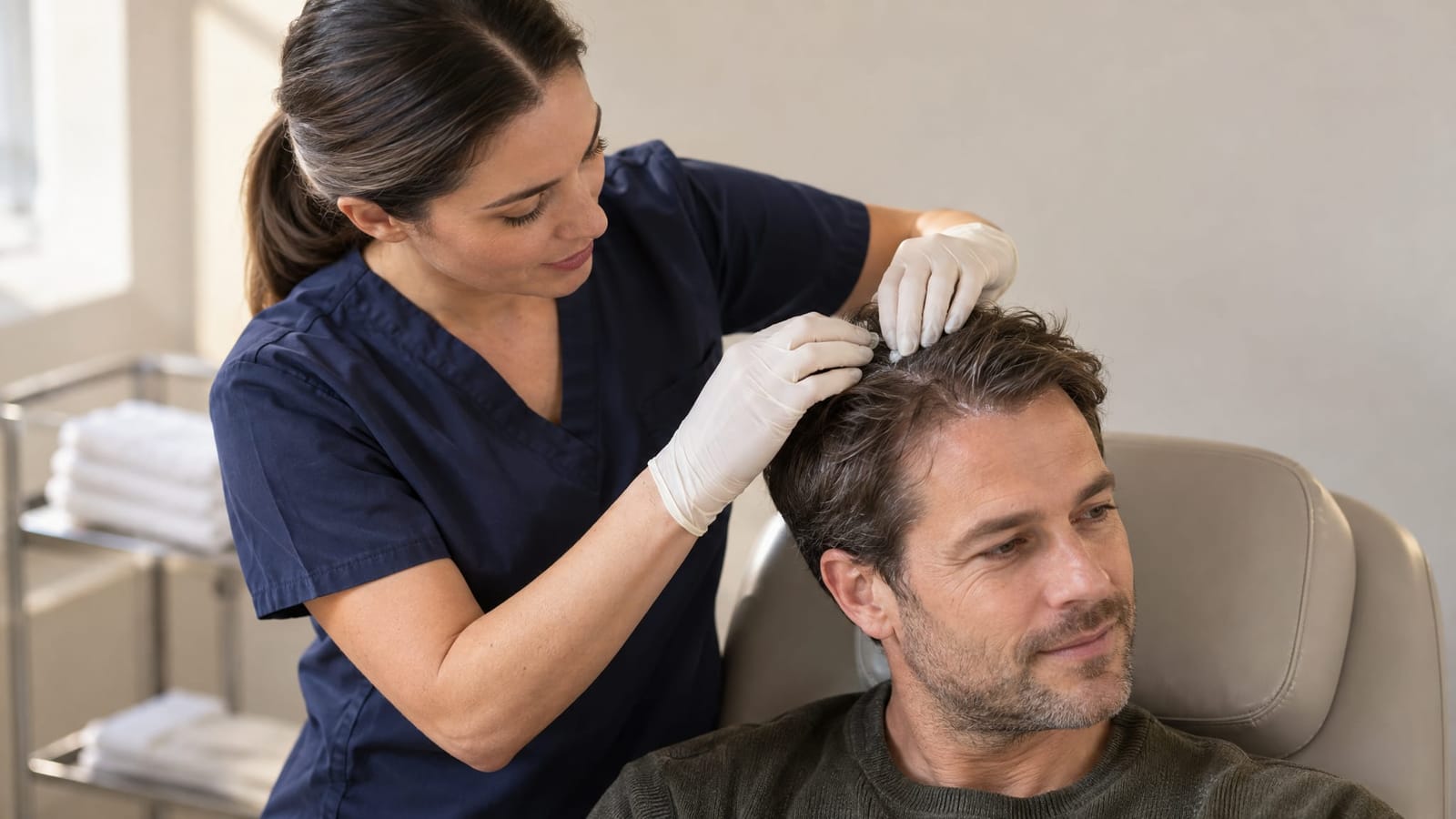
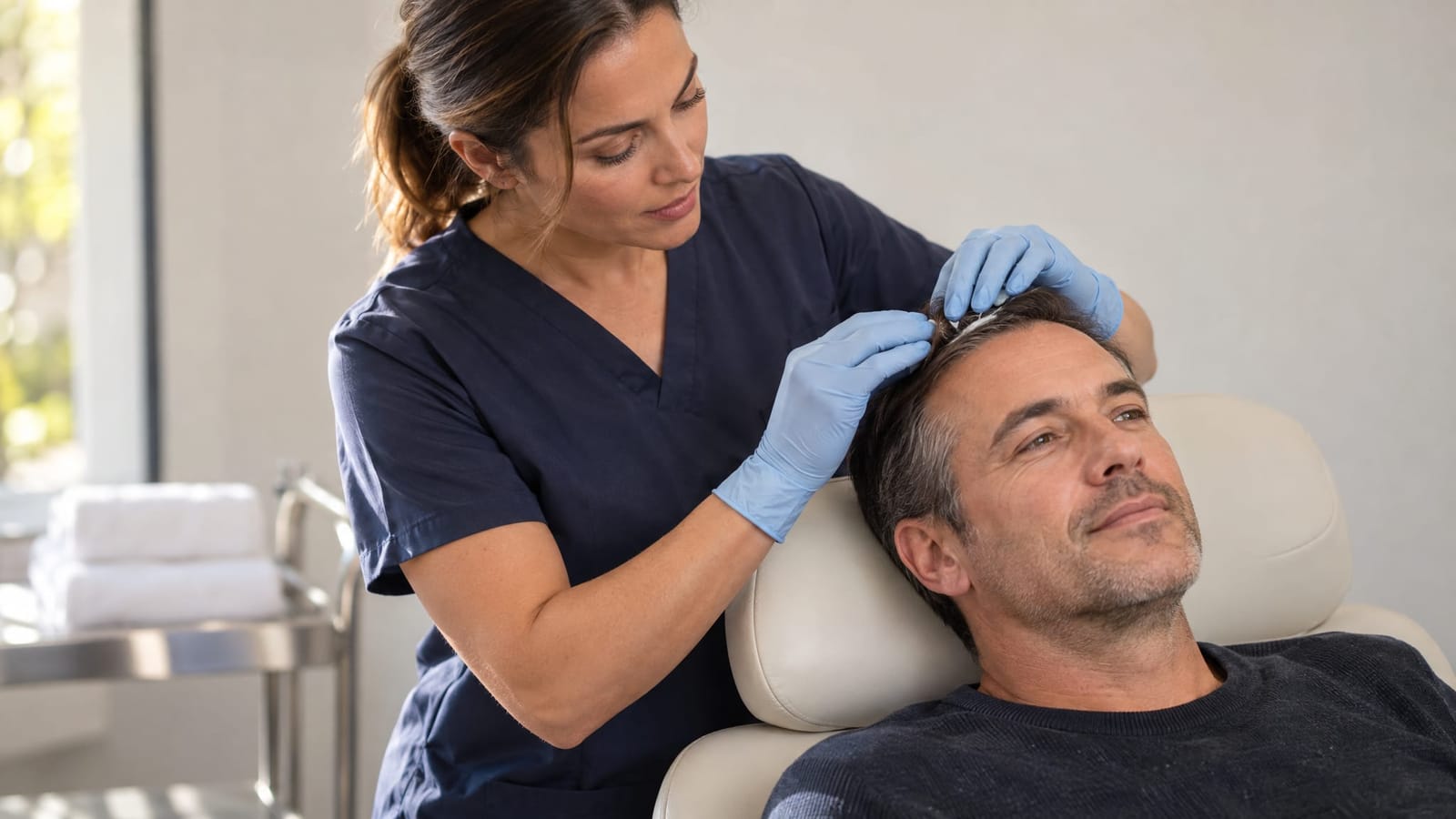
Not every patient experiencing hair loss is an ideal candidate for laser light therapy. Understanding who responds best to laser light therapy hair growth protocols helps set accurate expectations and guides smart, individualized treatment planning. At Chara Health USA, candidacy is assessed through a thorough clinical evaluation: never assumed based on symptoms alone or based on what worked for another patient.
Patients Most Likely to Benefit from Laser Light Therapy for Hair Growth
Laser light therapy for hair growth shows the strongest clinical evidence in patients with androgenetic alopecia: the most common form of pattern hair loss in both men and women. Patients in the early to moderate stages of hair thinning tend to respond better than those with advanced loss. Follicles that are miniaturized but still biologically active are far more responsive to photobiomodulation than follicles that have been completely dormant for many years. Early intervention is consistently associated with better laser light therapy hair growth outcomes across the published literature.
Ideal candidates for laser light therapy for hair growth typically share several characteristics:
- Confirmed diagnosis of androgenetic alopecia by a qualified provider using appropriate diagnostic tools
- Early to moderate hair thinning with active but miniaturized follicles still present at the scalp surface
- No unaddressed underlying autoimmune, hormonal, or nutritional causes driving hair loss
- Commitment to a consistent laser light therapy hair growth treatment schedule over four to six months or longer
- Interest in a non-invasive, drug-free approach to hair restoration as a primary or complementary strategy
- Healthy overall health profile: no active scalp infections, open wounds, or photosensitivity conditions
- Realistic expectations grounded in understanding how the hair growth cycle responds to photobiomodulation over time
When Laser Light Therapy for Hair Growth Alone May Not Be Sufficient
Patients with advanced hair loss, significant scarring alopecia, or hair thinning driven by active autoimmune disease often require a more comprehensive or differently structured protocol. For these individuals, Chara Health USA frequently recommends combining laser light therapy for hair growth with exosomes, peptides, or other targeted regenerative interventions. The goal is always to match the treatment strategy to the actual biology driving each patient's unique hair loss pattern, not to apply a universal solution that ignores individual variation.
Laser Light Therapy for Hair Growth vs. Other Hair Restoration Approaches
Patients considering laser light therapy hair growth treatment often want to understand how it compares to other available options. A clear comparison helps set expectations and clarifies where LLLT fits in the broader landscape of hair restoration. Unlike pharmaceutical treatments, laser light therapy for hair growth carries no systemic drug exposure. Unlike surgical hair transplantation, it requires no downtime, no incisions, and no recovery period. Unlike topical treatments alone, it works at a cellular and vascular level rather than simply stimulating surface scalp tissue.
Here is how laser light therapy for hair growth compares with other common hair restoration approaches:
- Minoxidil (topical): Works primarily through vasodilation at the surface level. Can be combined with laser light therapy hair growth to create a complementary effect. Requires indefinite daily use to maintain results. Does not address cellular energy or follicle stem cell signaling the way photobiomodulation does.
- Finasteride (oral): Targets DHT-mediated follicle miniaturization through hormonal pathway inhibition. Effective in men but carries a risk of sexual side effects. Laser light therapy for hair growth offers a non-hormonal alternative or complement for patients who wish to avoid pharmaceutical intervention.
- Platelet-Rich Plasma (PRP): Delivers concentrated growth factors through scalp injections. Research supports PRP as an effective standalone and adjunct treatment. Many providers, including Chara Health USA, use laser light therapy for hair growth alongside PRP to prepare the follicle environment before injection therapy.
- Exosome therapy: Delivers extracellular vesicles containing growth factors and signaling RNA directly to follicle stem cells. Emerging as one of the most powerful regenerative tools for hair restoration. Combines synergistically with laser light therapy hair growth protocols.
- Surgical hair transplantation: Moves existing follicles from donor areas to thinning zones. Does not restore miniaturized follicles already present. Laser light therapy for hair growth can support post-transplant healing and donor area recovery.
The key insight from this comparison: laser light therapy for hair growth is rarely the only answer, but it is rarely irrelevant either. In a comprehensive regenerative protocol, it plays a foundational role in optimizing the follicle environment for any other intervention being applied simultaneously.
Why Combining Laser Light Therapy for Hair Growth with Exosome Therapy Produces Better Results
One core principle at Chara Health USA is that no single therapy addresses hair loss from every biological angle. Androgenetic alopecia involves multiple overlapping mechanisms: hormonal, inflammatory, metabolic, and vascular. A comprehensive regenerative approach targets several of these simultaneously. That is why laser light therapy for hair growth is frequently combined with exosome therapy within Chara Health USA's protocols.
When these two modalities work together, the rationale is synergistic rather than simply additive. Each addresses a different layer of the follicle restoration process:
- Laser light therapy for hair growth prepares the follicle environment by improving circulation, reducing inflammation, and boosting cellular energy availability through mitochondrial stimulation
- Exosomes deliver growth factors and signaling molecules, including Wnt pathway activators and vascular endothelial growth factor (VEGF), that communicate directly with follicle stem cells and encourage regenerative activity
- The two modalities reinforce each other: a follicle that is metabolically primed through laser light therapy hair growth treatment is measurably more receptive to the regenerative signals delivered by exosomes
- Together, they address both the environment and the biological signals that hair follicles need to re-enter and sustain active growth over the long term
- Peptides may further support scalp health and follicle function as an additional reinforcing layer of the protocol: particularly for patients with inflammatory or vascular components to their hair loss
The specifics of any protocol at Chara Health USA are always individualized. A patient's hair loss pattern, medical history, prior treatment responses, scalp health, and personal goals all shape the final plan. No two protocols are identical, and that personalization is part of what makes regenerative medicine fundamentally different from conventional, one-size-fits-all hair loss treatments.
The role of exosomes as a regenerative tool for follicle repair is covered in detail in the overview of exosome hair restoration treatment.
What Patients Experience During Laser Light Therapy for Hair Growth Sessions at Chara Health USA
One of the most appealing aspects of laser light therapy for hair growth is its non-invasive, comfortable nature. There are no needles. No incisions. No anesthesia. No recovery time. Patients can return to normal activities immediately after each session. Here is what a typical laser light therapy hair growth experience at a clinical setting like Chara Health USA involves, from the first session through ongoing maintenance.
During the Laser Light Therapy Hair Growth Session
LLLT sessions are quiet and comfortable. Patients sit while a clinical-grade device, typically a cap, panel, or hood, delivers precisely calibrated light to the scalp surface. Sessions at Chara Health USA generally last between 20 and 30 minutes per visit. There is no sensation of heat and no discomfort associated with the light exposure itself. Many patients use the time to relax, read, or answer messages on their phones. The experience is notably different from any procedure involving injections or incisions.
Treatment Frequency and Duration for Laser Light Therapy Hair Growth
Most clinical laser light therapy hair growth protocols recommend sessions two to three times per week during the initial phase of treatment. Some patients at Chara Health USA complement in-office laser light therapy for hair growth with FDA-cleared at-home devices for consistent photobiomodulation exposure between visits. The total duration of a standard protocol typically spans four to six months before the full scope of response is formally assessed. Some patients continue periodic maintenance sessions beyond the initial protocol period to sustain and protect their results over the long term.
Timeline for Visible Results from Laser Light Therapy for Hair Growth
Hair restoration requires patience: regardless of the method used. The hair growth cycle moves slowly. Laser light therapy for hair growth works by changing what happens at the cellular level over successive cycles. Visible changes in density or thickness typically take several months to become apparent. Many patients notice reduced daily shedding first: a meaningful early sign that the follicle environment is stabilizing. New growth and improved measurable density often become apparent between months four and six. At Chara Health USA, baseline photographs and periodic trichoscopic scalp assessments are used to track progress objectively throughout the laser light therapy hair growth program. This removes guesswork and gives patients a clear, documented picture of how their follicles are responding over time.
Real Patient Outcomes: What to Expect from Laser Light Therapy Hair Growth at Chara Health USA
Understanding what real patients experience during laser light therapy hair growth treatment helps set grounded, realistic expectations. At Chara Health USA, outcomes are tracked using objective measurements, not subjective impressions. Trichoscopic imaging, standardized photography, and follicle density counts are all used to document progress. This evidence-based monitoring process ensures that every patient's laser light therapy for hair growth protocol is adjusted based on actual follicle response rather than assumption.
Patients who complete a full laser light therapy hair growth protocol at Chara Health USA typically report several consistent patterns of improvement:
- Noticeably reduced shedding within the first six to eight weeks of consistent laser light therapy hair growth sessions
- Improved scalp health and reduced dryness or irritation, often an early sign of better scalp circulation from photobiomodulation
- Visible improvements in hair density and coverage at the four to six month mark when combined with exosome or PRP protocols
- Improved hair texture and strand thickness: a reflection of healthier, more robustly cycling follicles
- Greater overall satisfaction with hair appearance, particularly for patients who began laser light therapy for hair growth at early to moderate stages of androgenetic alopecia
It is important to note that individual results vary based on age, degree of hair loss, follicle health, and adherence to the treatment schedule. Chara Health USA's clinical team discusses expected outcomes honestly and specifically during each patient's initial consultation. No promises are made that cannot be grounded in evidence. That transparency is a core part of the trust patients place in the Chara Health USA team.
Laser Light Therapy for Hair Growth: Addressing Common Misconceptions
Patients researching laser light therapy for hair growth often encounter conflicting information online. Misinformation from product marketing, oversimplified social media content, and outdated articles contributes to unrealistic expectations in both directions. Several misconceptions about laser light therapy hair growth treatment persist widely, and addressing them directly helps patients make better-informed decisions.
Misconception 1: "More laser power means better results." This is incorrect. Laser light therapy for hair growth works precisely because it uses low-level, non-thermal light energy. Higher energy levels can damage tissue rather than stimulate it. The therapeutic window for photobiomodulation is narrow. Exceeding it does not enhance laser light therapy hair growth outcomes: it can actively undermine them.
Misconception 2: "Laser light therapy for hair growth works the same way as minoxidil." These are entirely different mechanisms acting through different biological pathways. Minoxidil is a vasodilatory drug applied topically to the scalp surface. Laser light therapy hair growth treatment works at the mitochondrial level inside follicle cells. They can be used together effectively, but they are not interchangeable, and neither replaces the other.
Misconception 3: "If laser light therapy for hair growth doesn't work in three months, it won't work at all." Hair follicles cycle slowly. Three months is frequently too early to assess the full outcome of any laser light therapy hair growth protocol. Meaningful clinical evaluations typically occur at the six-month mark or beyond. Stopping treatment prematurely is one of the most common reasons patients report disappointing results with photobiomodulation therapy.
Misconception 4: "At-home laser caps deliver the same results as clinical laser light therapy hair growth devices." At-home devices can be genuinely useful for maintenance and between-session support within a broader protocol. However, clinical-grade devices used in settings like Chara Health USA deliver more consistent, precisely calibrated energy with verified wavelength accuracy and coverage. For patients pursuing meaningful hair restoration outcomes, clinical laser light therapy for hair growth combined with supervised at-home maintenance typically outperforms unsupervised at-home use alone.
Misconception 5: "Laser light therapy for hair growth only works for men." This is not supported by the clinical literature. Multiple randomized trials have specifically studied women with androgenetic alopecia and documented statistically significant improvements in hair density using LLLT. Laser light therapy hair growth treatment is appropriate for both male and female pattern hair loss when candidacy criteria are met.
Maximizing Your Laser Light Therapy Hair Growth Results: Practical Tips from Chara Health USA
Getting the most from laser light therapy for hair growth requires more than simply showing up to sessions. The surrounding habits, lifestyle choices, and complementary therapies a patient maintains all influence how well the follicle environment responds to photobiomodulation. At Chara Health USA, patients receive detailed guidance on how to support their laser light therapy hair growth protocol between appointments.
Here are evidence-supported strategies that help optimize laser light therapy hair growth outcomes:
- Stay consistent with your treatment schedule. Laser light therapy for hair growth produces cumulative effects. Missing sessions disrupts the photobiomodulation cycle that drives follicle improvement. Aim for the frequency your clinical team recommends: typically two to three times per week during the active phase.
- Support scalp health with proper nutrition. Follicles are metabolically demanding structures. Adequate intake of biotin, zinc, iron, vitamin D, and omega-3 fatty acids supports the cellular processes that laser light therapy for hair growth activates. Nutritional deficiencies can limit how well follicles respond to photobiomodulation.
- Minimize scalp inflammation between sessions. Harsh chemical shampoos, excessive heat styling, and tight hairstyles that stress the scalp can counteract the anti-inflammatory effects of laser light therapy hair growth treatment. Gentle scalp care amplifies the gains made during each session.
- Manage stress actively. Chronic stress elevates cortisol, which is known to disrupt the hair growth cycle and push follicles prematurely into telogen. Stress management, whether through exercise, sleep optimization, or mindfulness practices, supports the broader conditions in which laser light therapy for hair growth can succeed.
- Use complementary at-home devices as directed. For patients prescribed an FDA-cleared at-home laser cap or comb, consistent use between office visits maintains the photobiomodulation stimulus and extends the biological momentum generated during clinical laser light therapy for hair growth sessions.
- Attend all follow-up assessments. Chara Health USA's trichoscopic monitoring appointments allow the clinical team to evaluate follicle response and adjust protocols in real time. These checkpoints are essential for getting the most out of any laser light therapy hair growth program.
Small, consistent habits compound over months of laser light therapy hair growth treatment. Patients who invest in the surrounding lifestyle factors alongside their clinical protocol consistently report better outcomes than those who rely on sessions alone. The Chara Health USA team provides individualized guidance on all of these factors during each patient's care journey.
How Chara Health USA Approaches Laser Light Therapy for Hair Growth in a Regenerative Context
At Chara Health USA, laser light therapy for hair growth is one carefully selected component within a thoughtfully designed, physician-guided treatment plan. The practice's approach to laser light therapy hair growth always begins with a thorough evaluation, including detailed history, scalp assessment, and a comprehensive review of prior treatments and underlying health factors, before any recommendations are made. No laser light therapy for hair growth protocol is prescribed without first understanding the individual patient's biology, goals, and timeline.
What distinguishes the regenerative medicine approach at Chara Health USA from conventional hair loss treatment options:
- Treating the underlying follicle environment with laser light therapy for hair growth rather than only managing surface symptoms
- Combining modalities that address different biological mechanisms of hair loss simultaneously for synergistic effect
- Personalizing every laser light therapy hair growth protocol based on individual presentation, not generalized treatment algorithms
- Setting realistic expectations and tracking outcomes with objective, photographic, and trichoscopic measurements throughout treatment
- Integrating newer regenerative therapies like exosomes alongside evidence-supported tools like laser light therapy for hair growth
- Supporting long-term follicle health rather than creating dependence on indefinite pharmacological management
- Educating patients thoroughly on the science of laser light therapy hair growth so they are active, informed participants in their own care
This framework reflects the broader philosophy behind Chara Health USA's regenerative approach to hair restoration: supporting the body's own capacity for repair and renewal rather than simply compensating for what has been lost. Patients who choose Chara Health USA are typically health-conscious individuals who want solutions grounded in biology and backed by evidence. Laser light therapy for hair growth, used thoughtfully within this context, aligns precisely with that expectation.
For women navigating hair thinning, the overall treatment approach at Chara Health USA often involves additional considerations related to hormonal patterns, cycle-specific shedding, and postpartum or perimenopausal transitions. Hair restoration for women in Los Angeles explores the unique causes and patterns of female hair loss and the full range of regenerative solutions available, including laser light therapy for hair growth as a central modality.
Laser Light Therapy for Hair Growth: Safety Profile and Side Effect Considerations
One reason laser light therapy for hair growth has gained significant clinical traction is its favorable safety profile. Unlike systemic medications that interact with hormonal or metabolic pathways throughout the body, laser light therapy hair growth treatment acts locally at the scalp with no known systemic effects in healthy adults. Across the published clinical literature, adverse events associated with laser light therapy for hair growth are rare and typically mild when they occur.
Reported side effects from laser light therapy hair growth protocols are uncommon and generally transient:
- Mild scalp warmth or tingling during or immediately after sessions: resolves spontaneously without treatment
- Temporary increase in shedding during the first four to eight weeks, often a sign that resting follicles are cycling back into the anagen phase
- Rare reports of transient scalp dryness or sensitivity, particularly in patients with pre-existing sensitive skin
- No documented systemic side effects in healthy adult patients using appropriately dosed laser light therapy for hair growth devices
Laser light therapy for hair growth is generally contraindicated in patients with active scalp infections, open wounds at the treatment site, a history of photosensitivity disorders, or those taking photosensitizing medications. Pregnant patients are typically advised to delay elective laser light therapy hair growth treatment until after delivery as a precautionary measure, as this population has not been specifically studied in LLLT trials. The clinical team at Chara Health USA reviews each patient's complete medical history before beginning any laser light therapy for hair growth protocol to ensure both safety and appropriateness of treatment.
Frequently Asked Questions About Laser Light Therapy for Hair Growth
Patients at Chara Health USA frequently arrive with questions they have not been able to answer from online research alone. The following questions reflect what people most commonly ask when exploring laser light therapy for hair growth as a treatment option. Clear answers help patients arrive at consultations better prepared and more confident in their decision-making.
How many laser light therapy hair growth sessions are needed before results appear?
Most patients begin noticing reduced shedding after six to eight weeks of consistent sessions. Visible improvements in hair density typically appear between four and six months into a laser light therapy hair growth protocol. The full scope of results continues to develop over the following months, particularly when LLLT is combined with other regenerative therapies. At Chara Health USA, progress is tracked with objective measurements so patients always know exactly where they stand.
Can laser light therapy for hair growth be used at the same time as other treatments?
Yes. Laser light therapy for hair growth is specifically designed to work alongside other interventions. At Chara Health USA, LLLT is commonly integrated into protocols that also include exosome therapy, PRP, peptides, and topical treatments. The photobiomodulation effects of laser light therapy hair growth, improved circulation, reduced inflammation, and enhanced cellular energy, create a more receptive follicle environment for all complementary therapies applied alongside it.
Is laser light therapy hair growth treatment permanent?
Laser light therapy for hair growth supports the follicle cycle and creates conditions for healthier hair production. It does not permanently alter the genetic predisposition underlying androgenetic alopecia. Most patients who achieve strong results choose to continue periodic maintenance sessions, often monthly, to sustain those gains over time. The Chara Health USA team helps each patient design a maintenance plan that fits their life and long-term hair health goals.
Key Takeaways: Laser Light Therapy for Hair Growth and Your Next Steps
Laser light therapy for hair growth represents one of the most well-researched, non-invasive options available for individuals experiencing androgenetic alopecia and other forms of hair thinning. By working at the cellular level, stimulating mitochondrial activity, improving scalp circulation, reducing oxidative stress, and supporting follicle cycling, laser light therapy hair growth treatment offers a biologically grounded and clinically validated pathway to better follicle health.
The key points to carry forward about laser light therapy for hair growth:
- Laser light therapy for hair growth uses low-level red and near-infrared light: it does not heat, burn, or damage tissue
- Photobiomodulation stimulates mitochondrial ATP production, improves scalp blood flow, and shifts follicles from telogen back to anagen
- Clinical trials report hair count increases of 37-39% in both men and women using laser light therapy hair growth devices over 26 weeks
- Results improve significantly when laser light therapy for hair growth is combined with exosomes, peptides, and other regenerative modalities in a comprehensive protocol
- Consistency and patience are essential: meaningful laser light therapy hair growth outcomes typically become visible between four and six months
- Laser light therapy for hair growth carries a favorable safety profile with minimal side effects in otherwise healthy adult patients
- Lifestyle factors including nutrition, stress management, and scalp care all influence how well the follicle environment responds to laser light therapy hair growth sessions
- Candidacy matters: an individualized evaluation at Chara Health USA ensures the right laser light therapy hair growth protocol for the right patient at the right stage of hair loss
If you are in Los Angeles and conventional approaches to hair loss have not delivered the results you were hoping for, a consultation at Chara Health USA is a natural and logical next step. Every patient's hair loss story is different. A thoughtful, individualized evaluation, grounded in regenerative medicine principles and led by an experienced clinical team, is always the right place to start. Laser light therapy for hair growth may be one piece of that plan. Combined with the right complementary therapies and guided by a team that understands both the science and the individual biology behind your hair loss, laser light therapy for hair growth can be a genuinely powerful piece of a lasting restoration strategy.