Under-Eye Hollows and Dark Circles: Can Smooth Eye Treatment Really Help?
Dark circles and under-eye hollows are among the most common aesthetic concerns we hear about at Chara Health, and for good reason. They're persistent, difficult to address with skincare alone, and often make people look more tired or older than they feel. As part of our broader approach to non-invasive facial rejuvenation, Smooth Eye treatment has emerged as a focused option worth understanding. This post explores what actually causes under-eye darkness and hollowing, why many traditional approaches fall short, and how laser-based treatment may support a more refreshed appearance, without surgery or significant downtime.
Why Under-Eye Hollows and Dark Circles Are So Difficult to Address
Before exploring any treatment approach, it helps to understand why this area of the face is uniquely challenging. The skin beneath the eyes is among the thinnest on the entire body: roughly 0.5mm compared to 2mm or more elsewhere, which means changes in the underlying tissue become visible much more quickly and dramatically than in other areas.
Dark circles, in particular, can stem from several distinct causes:
- Vascular visibility: When the skin loses thickness or elasticity, the underlying blood vessels become more apparent through the surface, creating a bluish or purplish tint.
- Structural hollowing: As we age, volume in the mid-face and tear trough area naturally diminishes. This creates a shadowed depression that reads as "darkness" even in good lighting.
- Hyperpigmentation: Some individuals experience an accumulation of melanin in the under-eye area due to sun exposure, genetics, or chronic inflammation.
- Skin laxity and texture: Fine crepey texture and mild sagging can cast subtle shadows and contribute to a generally fatigued appearance.
This multi-factorial nature is exactly why a single solution, whether it's a topical eye cream, more sleep, or even a standalone treatment, rarely addresses the full picture. Effective improvement typically requires targeting the structural and skin-quality components together.
Where Traditional Approaches Often Fall Short
Most people begin their under-eye journey with topical products: retinol serums, vitamin C formulations, caffeine-based eye creams. While some of these can offer modest support for skin texture or mild puffiness over time, they generally cannot reach the deeper structural changes responsible for hollowing or significant vascular visibility.
Cosmetic fillers are another commonly recommended option, and for the right candidate they can be highly effective in restoring volume. However, fillers in the tear trough area require considerable expertise, carry real risks when performed incorrectly (including the Tyndall effect, irregular distribution, or vascular complications), and are not appropriate for everyone. Many patients are also simply not ready for injectable treatments or prefer to explore non-injectable options first.
Topical lightening agents and certain chemical peels may address surface pigmentation to a degree, but they don't stimulate the collagen remodeling or tissue tightening that often underlies the most visible signs of under-eye aging. This is where energy-based treatments like Smooth Eye offer a meaningfully different mechanism of action.
How Smooth Eye Treatment Works on the Under-Eye Area
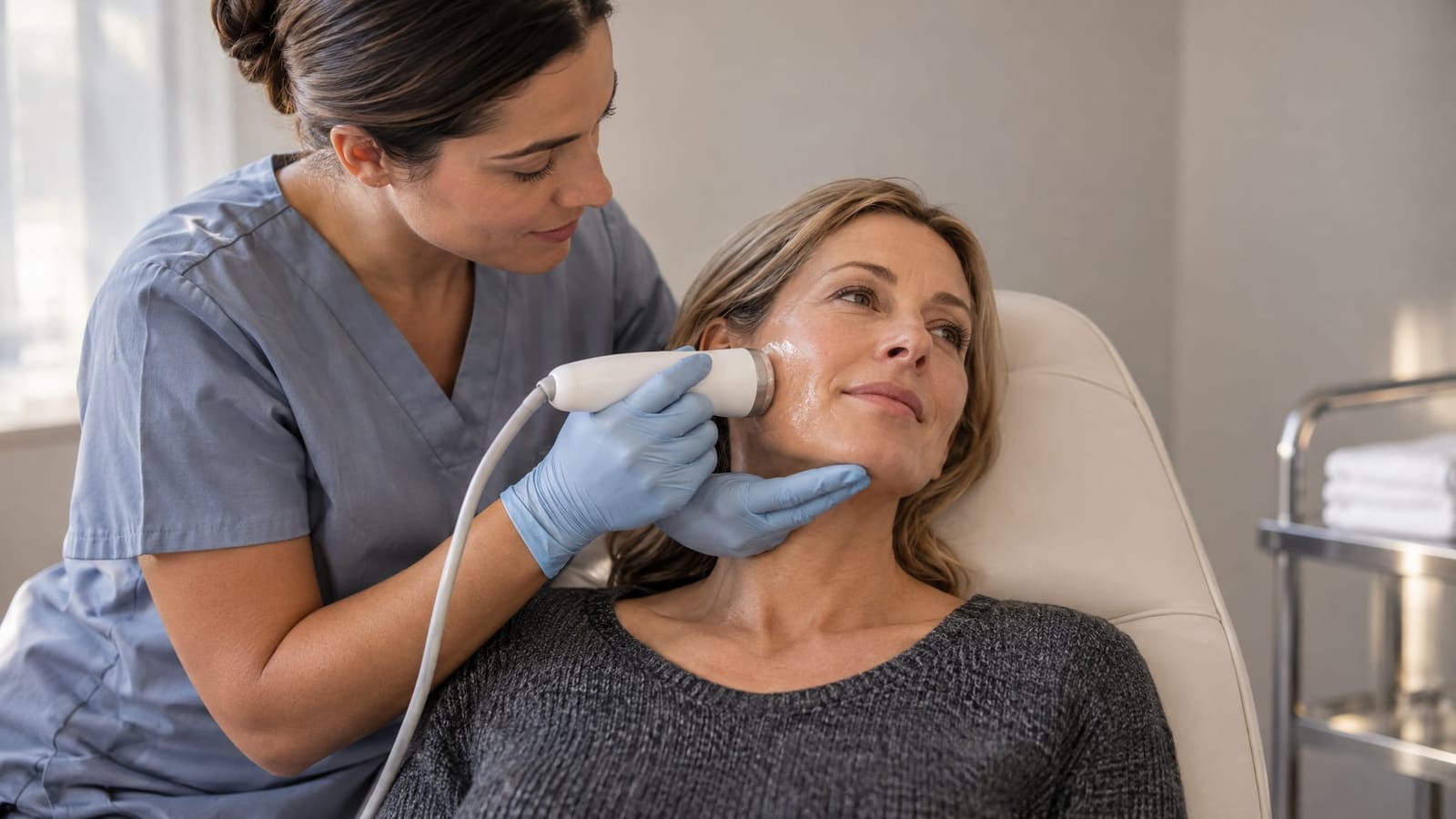
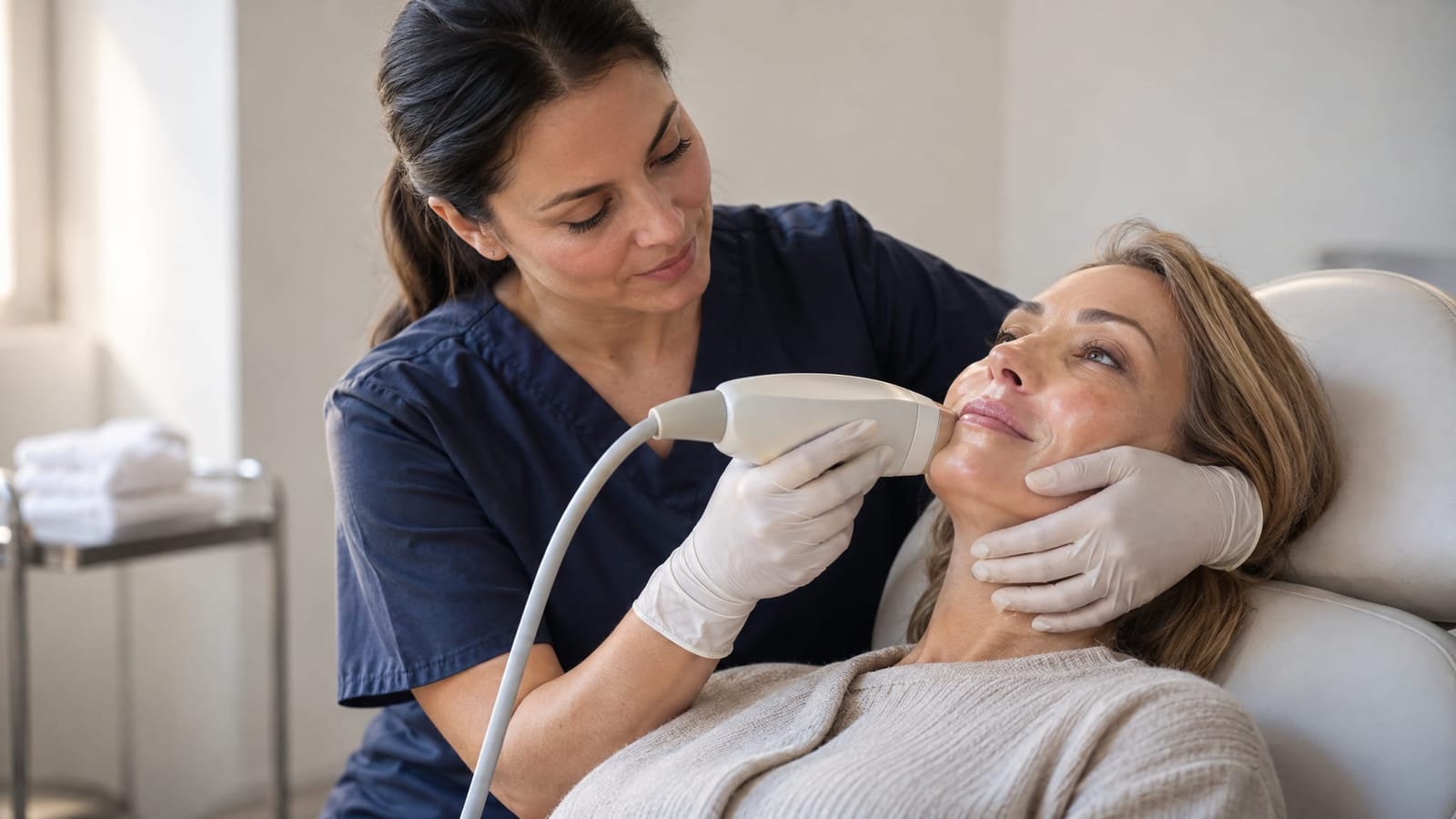
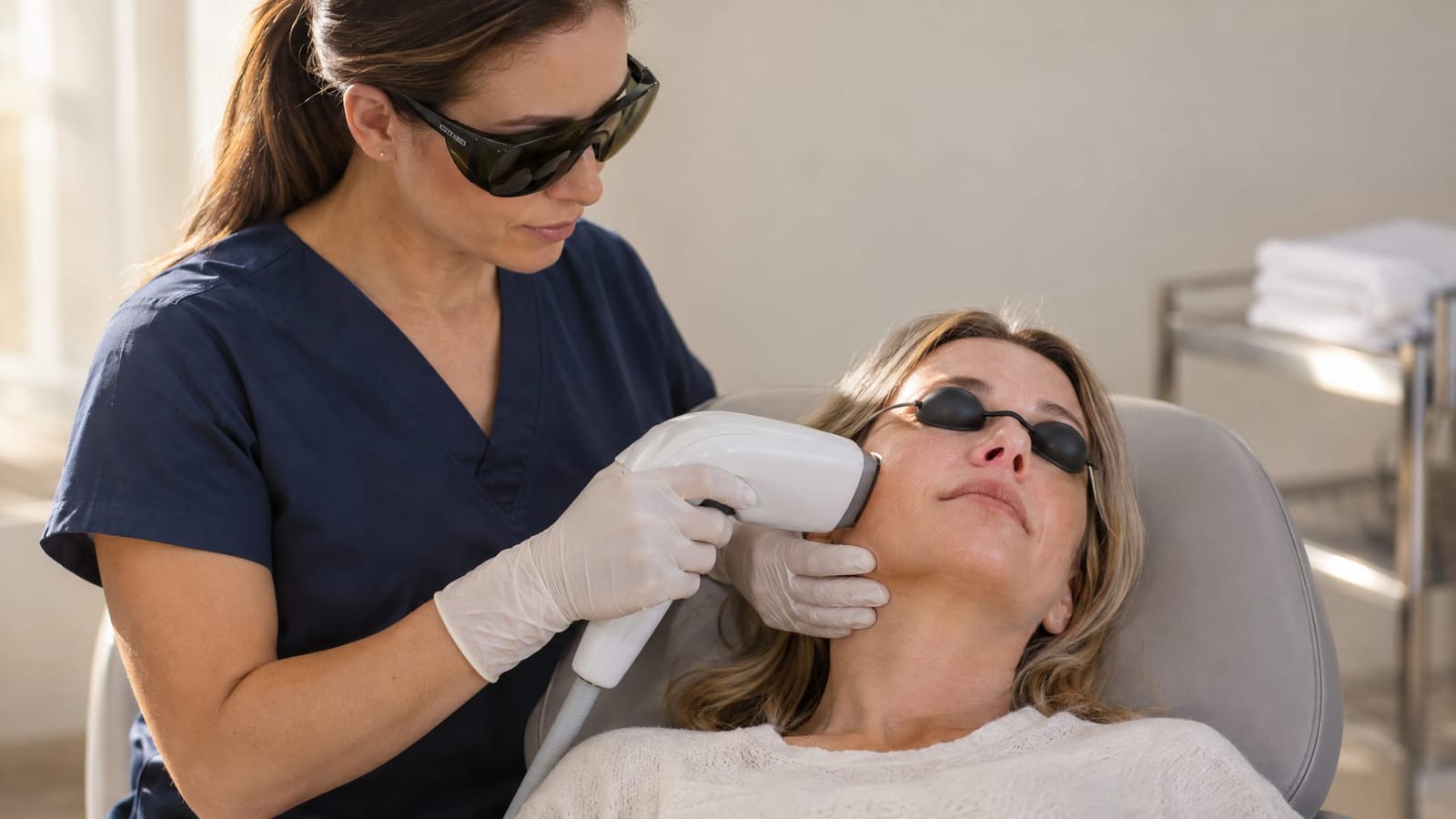
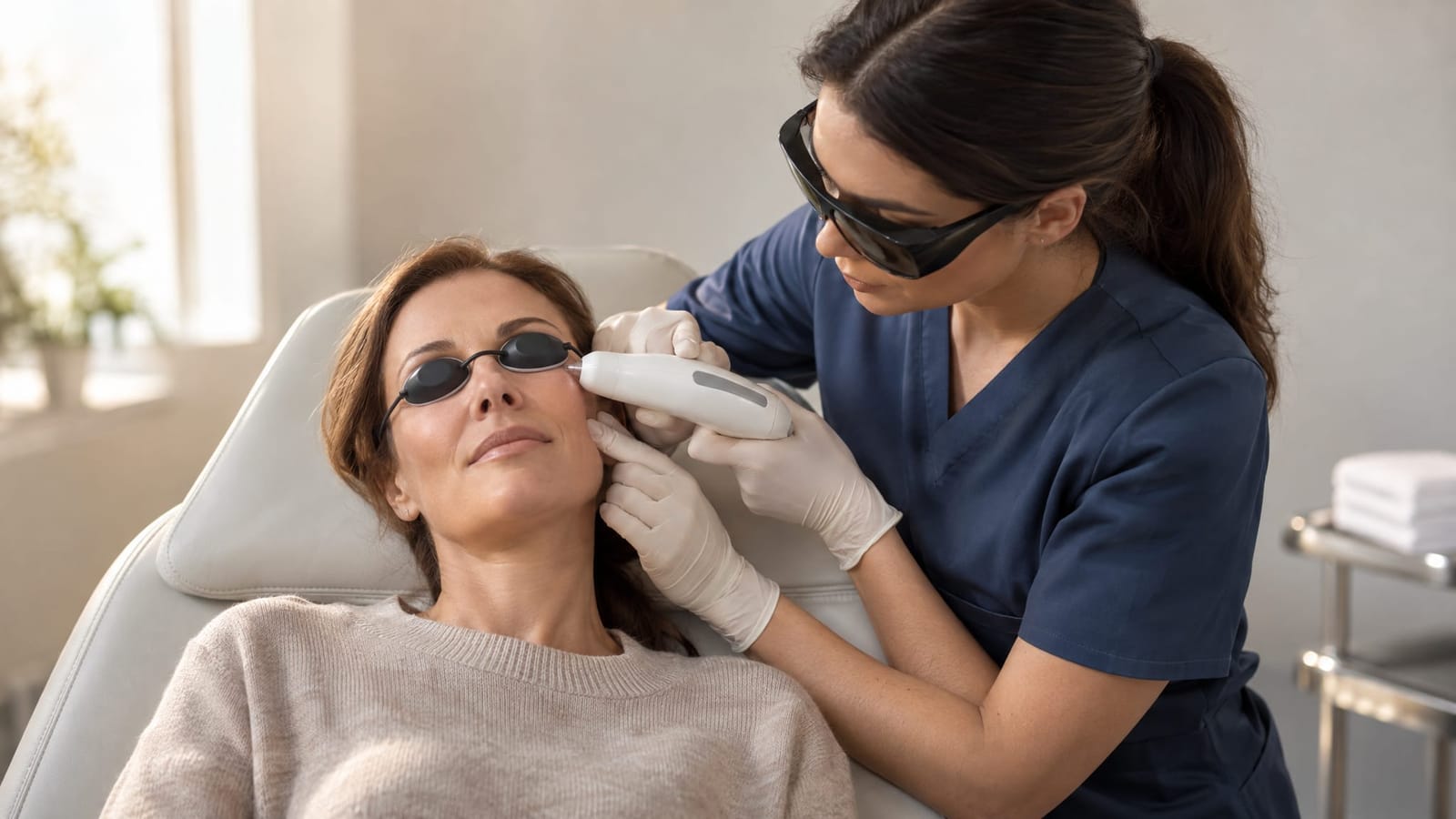
Smooth Eye is a laser-based treatment developed using Fotona's Er:YAG laser technology, designed specifically for the delicate periorbital, or around-the-eye, region. The treatment works through a combination of gentle thermal energy delivered to the skin and underlying tissue, with the goal of stimulating collagen production and supporting natural tissue tightening over time.
What distinguishes this approach is its ability to address multiple contributing factors in a single session:
- Collagen stimulation: Controlled thermal energy encourages the skin's natural collagen remodeling process, which can gradually improve skin thickness and resilience in an area where both tend to decline with age.
- Skin tightening: As collagen production is supported, the visible laxity and crepey texture that contributes to shadowing may improve.
- Vascular and pigmentation effects: The laser's interaction with the tissue may help reduce the visibility of superficial vascular discoloration that contributes to bluish or brownish tones under the eyes.
- Puffiness reduction: Improved lymphatic flow and tissue tone in the area may contribute to a reduction in the appearance of under-eye puffiness over a course of treatments.
Because the treatment is non-ablative and calibrated for the sensitive periorbital zone, it is generally well-tolerated with minimal downtime. Most individuals describe the sensation as mild warmth during the procedure. Results typically develop gradually over several weeks as the skin's natural regenerative processes respond to treatment.
It's worth noting that individual experiences and outcomes vary, and Smooth Eye treatment is not a guaranteed solution for every type of under-eye concern. A qualified provider should evaluate your specific anatomy, skin type, and goals before recommending this or any aesthetic treatment.
Combining Smooth Eye with Exosome Therapy for Enhanced Results
One of the more interesting developments in aesthetic medicine is the growing interest in combining energy-based treatments with regenerative biologics, and the under-eye area is a natural candidate for this kind of layered approach.
Exosomes are extracellular vesicles involved in cell-to-cell communication. In an aesthetic context, exosome preparations applied topically or in combination with treatments like Smooth Eye are being explored for their potential to support the skin's natural repair and renewal processes. The hypothesis is that when the skin's collagen remodeling response is already activated by laser energy, the addition of growth factors and signaling molecules from exosome preparations may help amplify and support that regenerative response.
At Chara Health, this kind of thoughtful combination approach is part of how we think about facial rejuvenation, not as a menu of isolated procedures, but as a coordinated plan tailored to what each patient's skin actually needs. The evidence around exosomes in aesthetics is still evolving, and we're transparent about that. But for patients interested in optimizing their results from Smooth Eye treatment, it's a conversation worth having during a consultation.
For those exploring the full landscape of options in this area, our guide on non-surgical eye rejuvenation serving Woodland Hills, Burbank, and Chatsworth provides additional context on what's available and how these treatments fit into a broader facial rejuvenation strategy.
Who Is a Good Candidate for Smooth Eye Treatment?
Smooth Eye treatment may be worth exploring for individuals who:
- Notice mild to moderate under-eye hollowing, laxity, or crepey texture
- Experience under-eye darkness with a vascular or skin-quality component (rather than purely structural volume loss)
- Prefer non-injectable, non-surgical approaches to facial rejuvenation
- Want a treatment with minimal recovery time that fits into an active schedule
- Are in general good health with realistic expectations about gradual, natural-looking improvement
It is not a replacement for surgical correction of significant structural changes, and it may not be the primary recommendation for deep hollowing that responds better to volumization. A personalized consultation is the only reliable way to determine whether this treatment aligns with your specific anatomy and goals.
Frequently Asked Questions
How many Smooth Eye treatments are typically needed to see results?
Most treatment protocols involve a series of sessions, often three to four, spaced several weeks apart, with results continuing to develop over the following months as collagen remodeling progresses. The appropriate number of sessions depends on individual factors that a provider will assess during consultation. Maintenance treatments may also be recommended over time.
Is Smooth Eye treatment safe for the area directly beneath the eyes?
The Fotona laser technology used in Smooth Eye is designed with the delicate periorbital anatomy in mind, and protective eyewear is used throughout the procedure. As with any energy-based treatment, safety depends significantly on the experience and training of the provider. Consulting with a qualified practitioner who has specific experience with periorbital laser treatments is essential.
Can Smooth Eye treatment replace under-eye fillers?
These are different treatments with different mechanisms and optimal applications. Smooth Eye primarily addresses skin quality, collagen, and mild laxity, while fillers restore structural volume in the tear trough. For some patients, Smooth Eye may be sufficient on its own; for others, a combination approach may offer more comprehensive results. This is a conversation to have with your provider based on your individual anatomy.
What is the downtime after Smooth Eye treatment?
Smooth Eye is generally associated with minimal downtime. Some patients experience mild redness or warmth in the treated area for a short period following the session, but most are able to return to normal activities quickly. Your provider will give you specific post-treatment guidance based on your skin type and the parameters used during your session.
The Bottom Line on Smooth Eye for Dark Circles and Hollows
Under-eye concerns are genuinely complex: driven by a combination of skin thinning, collagen loss, vascular visibility, and structural changes that develop over time. Smooth Eye treatment offers a non-invasive, laser-based approach that targets several of these factors simultaneously, with a strong safety profile for the periorbital area and minimal disruption to daily life. It won't be the right answer for every patient or every type of under-eye concern, but for the right candidate, it represents a meaningful option within a thoughtful facial rejuvenation plan. We encourage anyone curious about this treatment to schedule a consultation to explore whether it aligns with their goals.